The Graduation Showcase is NIFT Kannur's annual event celebrating the culmination of student work across seven disciplines. The brief called for a single cohesive brand that could represent diversity without fragmentation — convergence as its core principle.
Design a unified event brand for the 2026 Graduation Showcase that encompasses displays, exhibitions, installations, audio-visual presentations, and fashion shows from all UG & PG departments. The identity must reflect convergence, transition, and the professional evolution of the graduating batch — working across print, digital, and large-format applications.
Logo system & variations
Colour & typography
guide
Print collateral (7+ items)
Digital / social media
Large format & merchandise
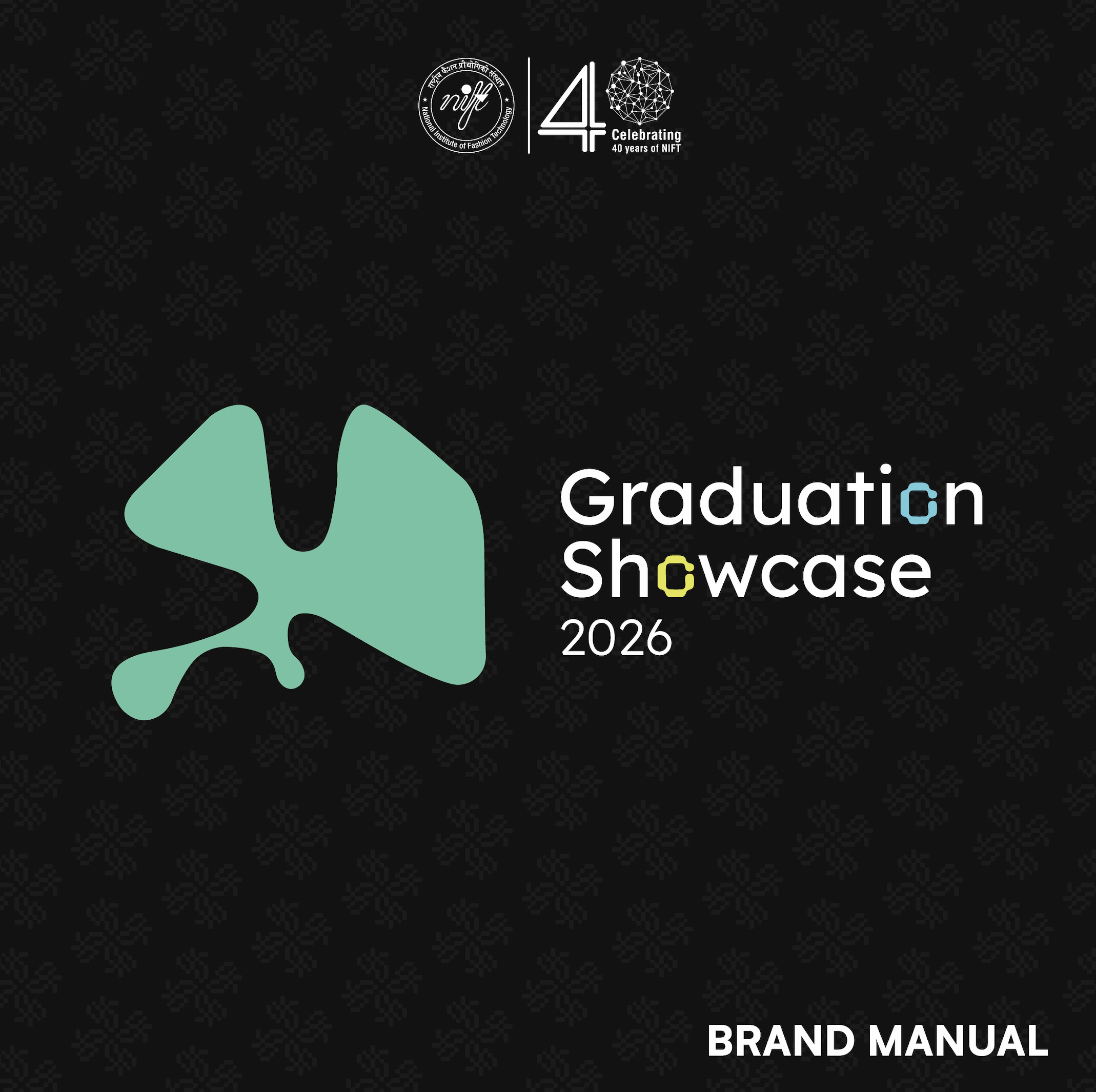
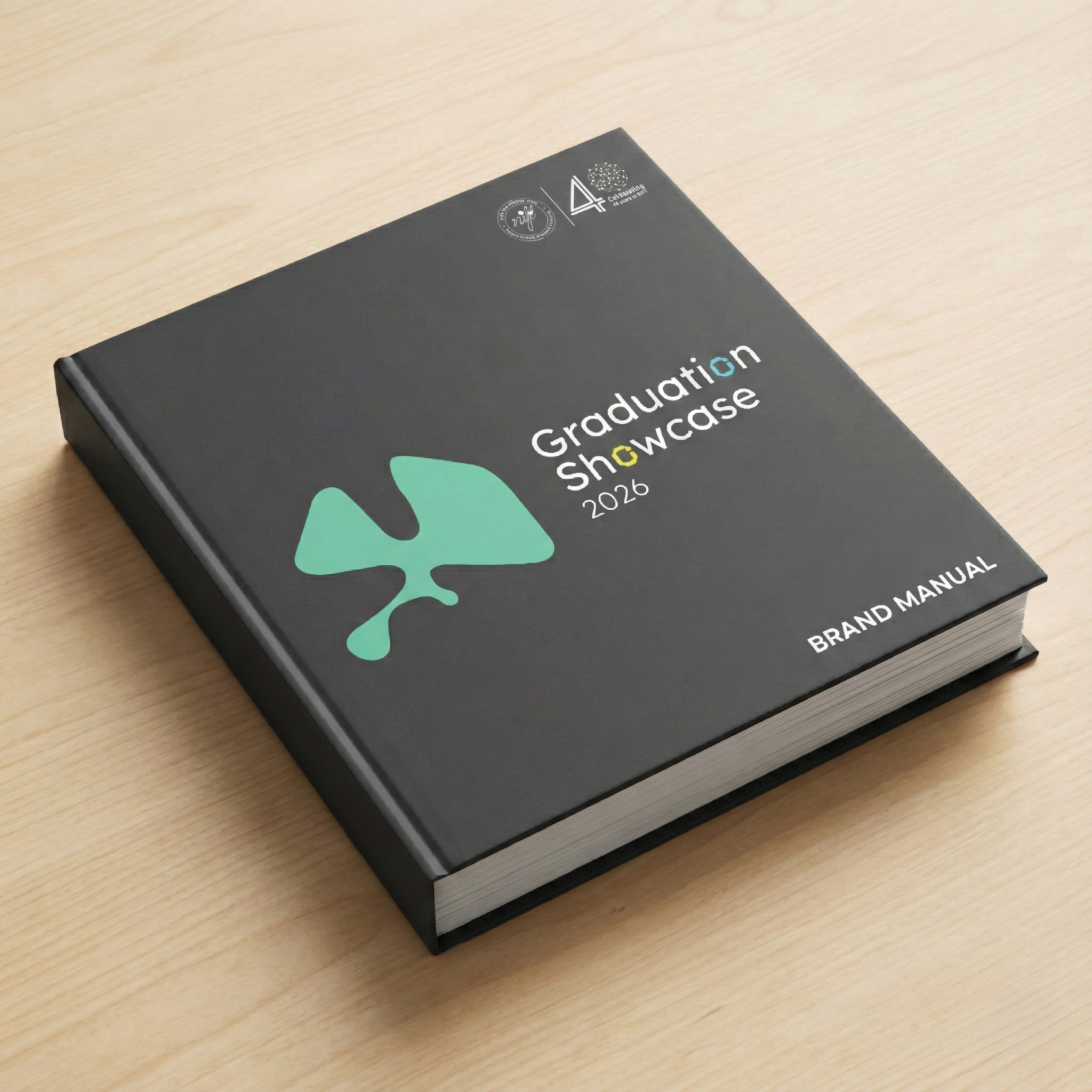
Brand manual
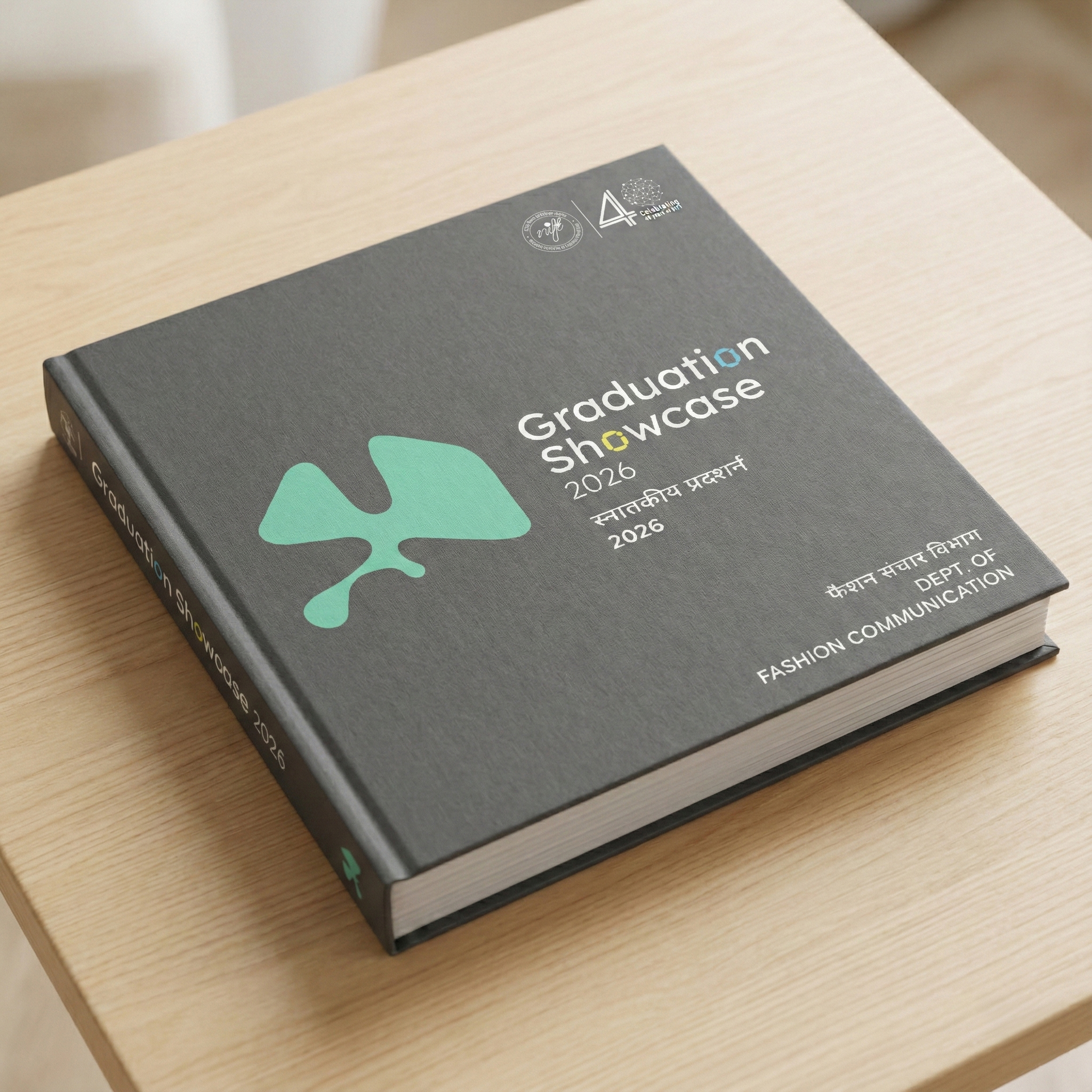
& GP booklet
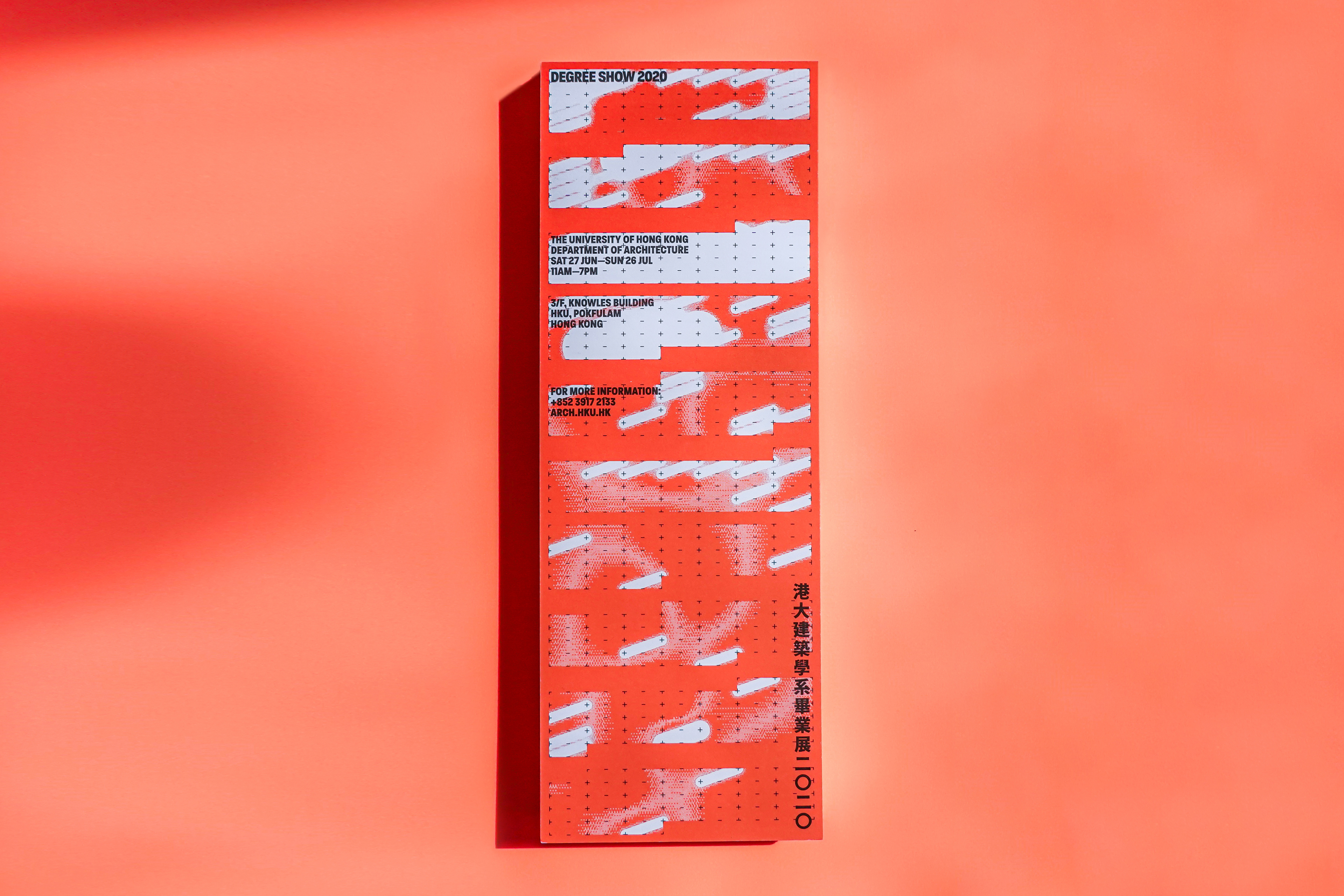
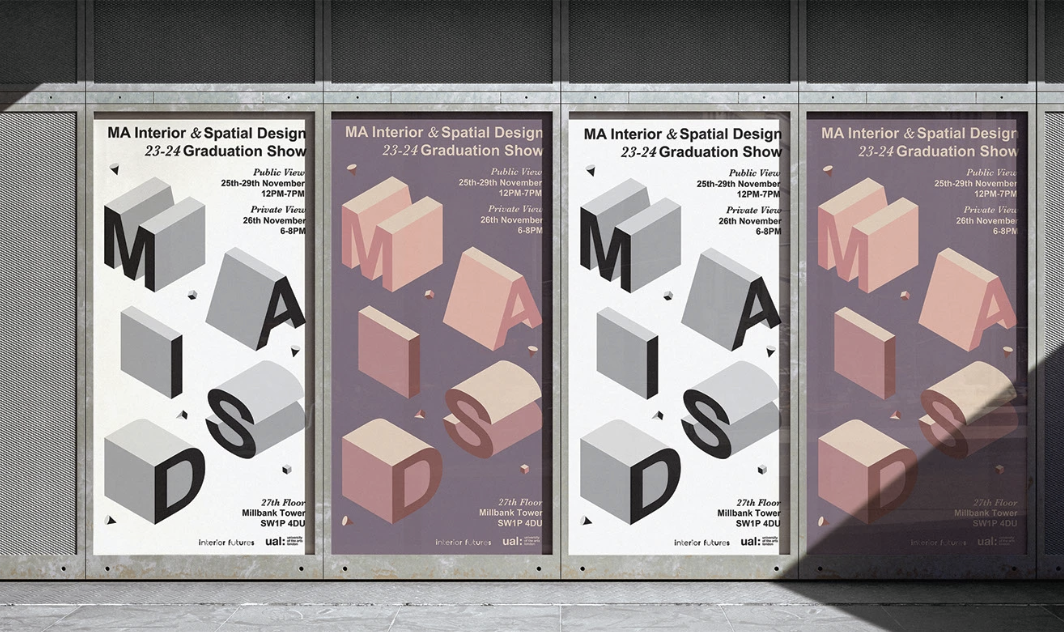
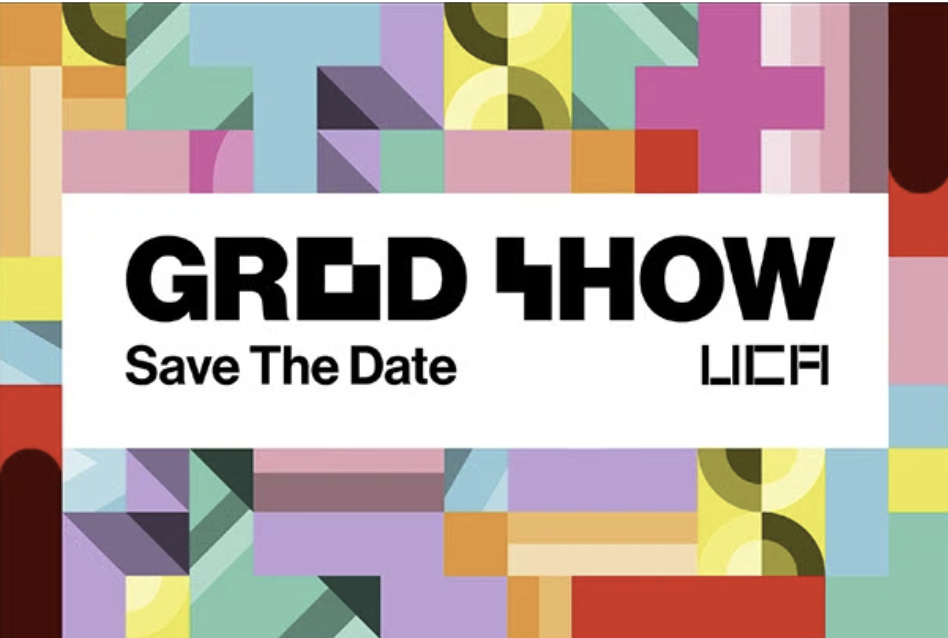
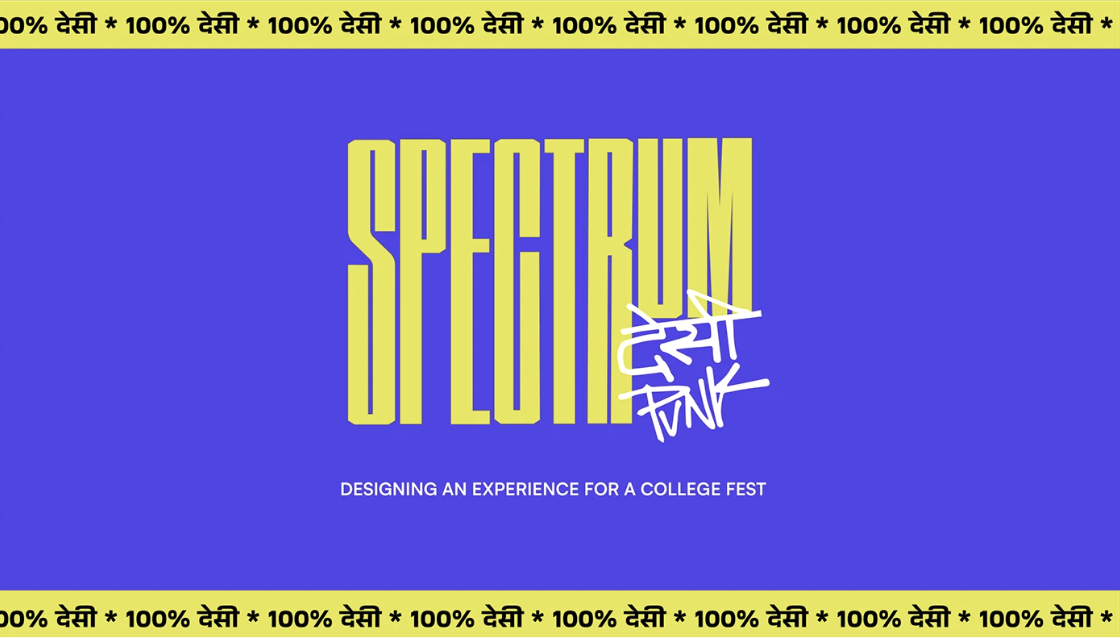
Before conceptualising, we studied six peer graduation show identities to understand the visual language of academic showcase branding — identifying patterns and gaps to inform a differentiated direction.
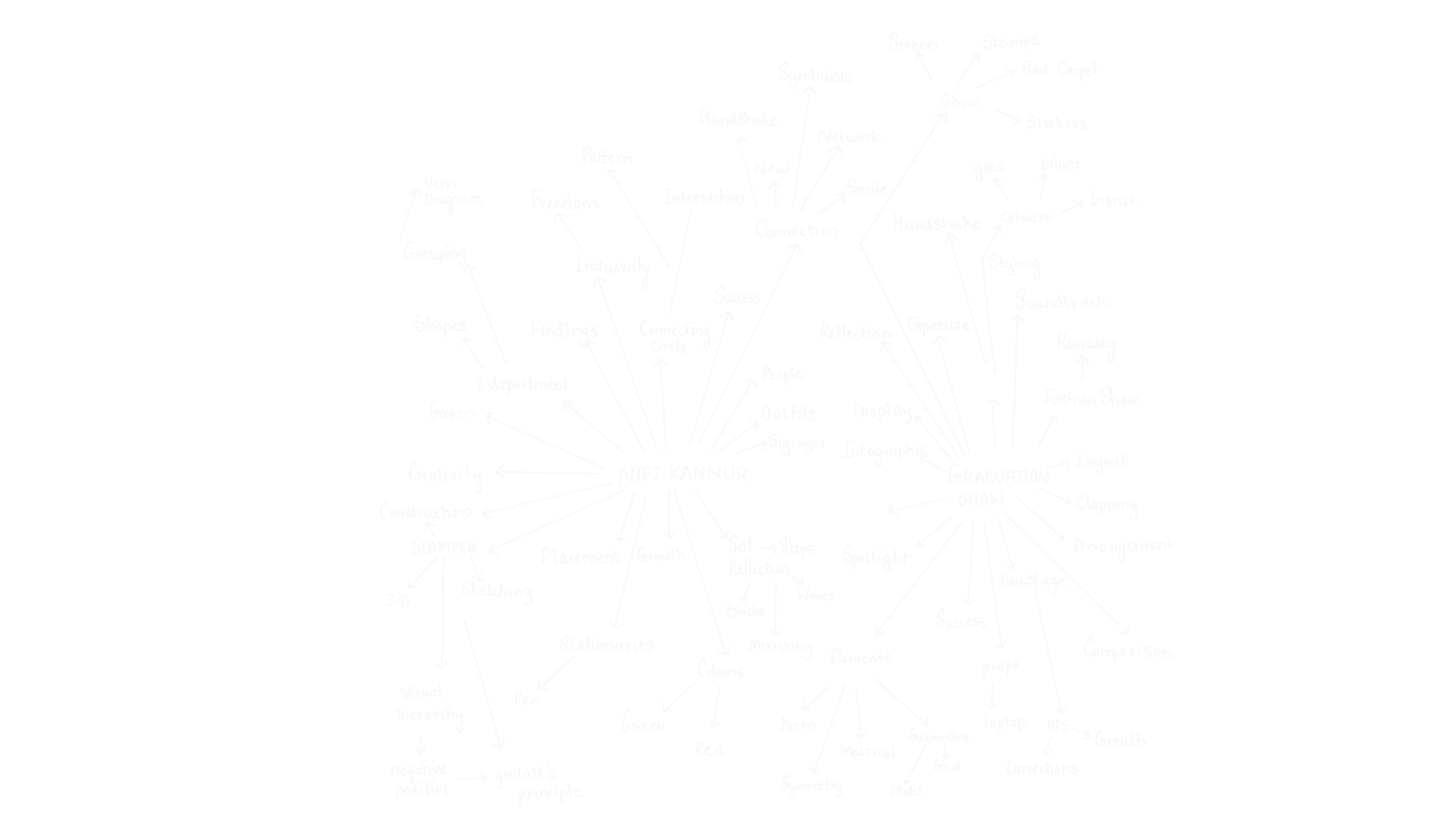
We began ideation with a radial word cloud anchored on two nodes — "NIFT Kannur" and "Graduation Show" — branching outward to capture raw associations before filtering them into conceptual directions.
Starting from the two core nodes, we expanded outward across themes of connection, structure, celebration, process, and visual form. This free-association phase produced over 60 raw keywords that would feed the next stage of ideation.
The second ideation phase used the Dariel Fitzkee combinatorial method — structuring keywords into six axes and systematically pairing concepts across columns to generate unexpected conceptual directions for logo development.
Each column represents a core theme. Reading across rows generates concept combinations — for example: "NIFT @ 40 + Runway + Venn Diagram + Viewers + Path + Spectrum" creates a directional brief for a logo that is academic, performative, and multidimensional.
| NIFT Kannur | GP Elements | Connection | Show | Process | 7 Departments |
|---|---|---|---|---|---|
| NIFT @ 40 | Runway | Venn Diagram | Viewers | Path | Spectrum |
| People | Props | Intersection | Screen | Growth | Heptagon |
| Departments | Applaud | Network | Spotlight | Continuum | Streams |
| Concentric | Medal | Handshake | Field | Prototype | Branches |
| Education | Puzzle | Knot | Screening | Blueprint | Facets |
By combining concepts across different columns, we generated 30+ unique conceptual combinations — each suggesting a different visual direction. The strongest combinations (Growth + Intersection + Spectrum; Convergence + Branches + Path) directly influenced the final logo concept of an organic form that both divides and unites.
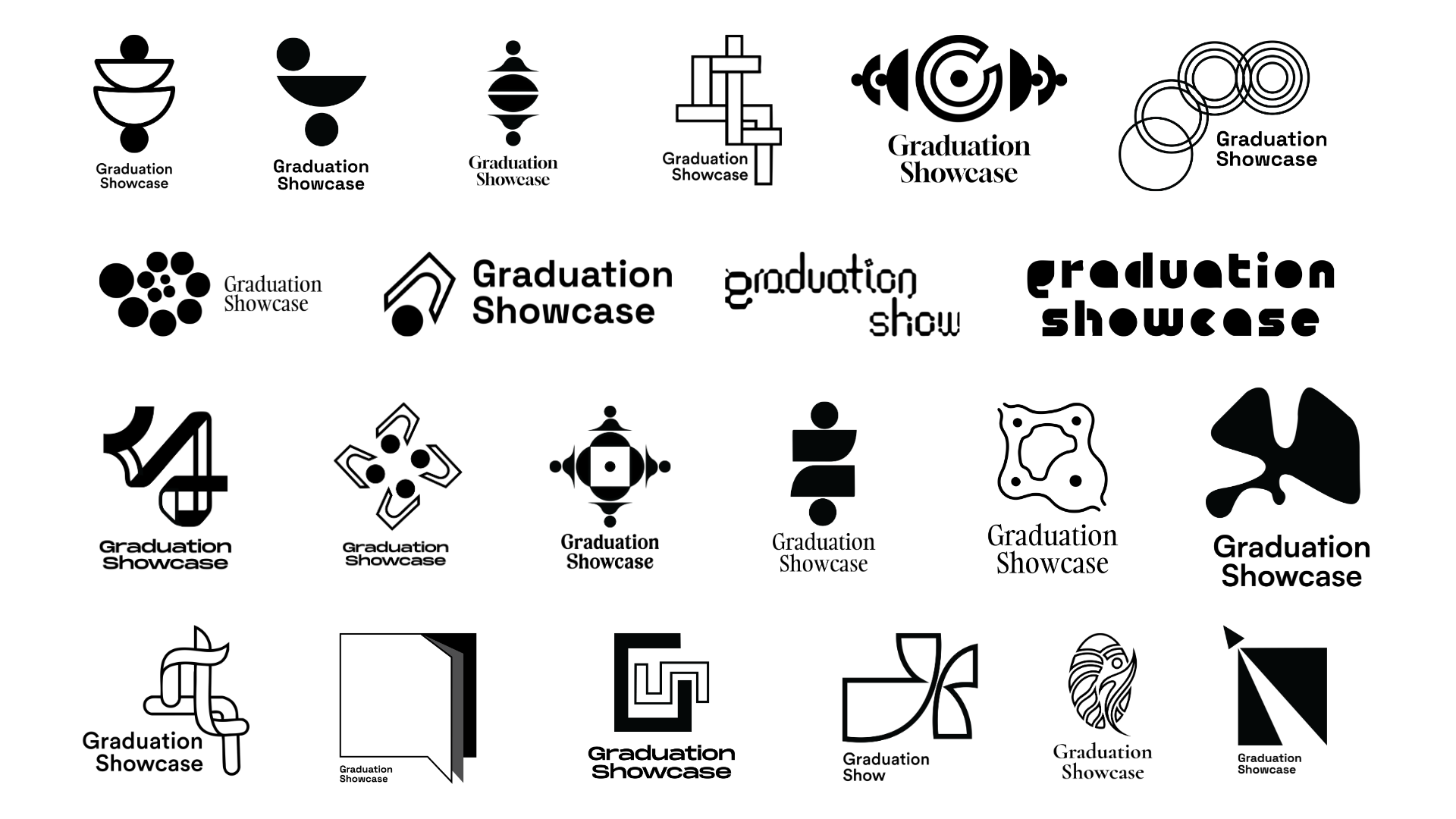
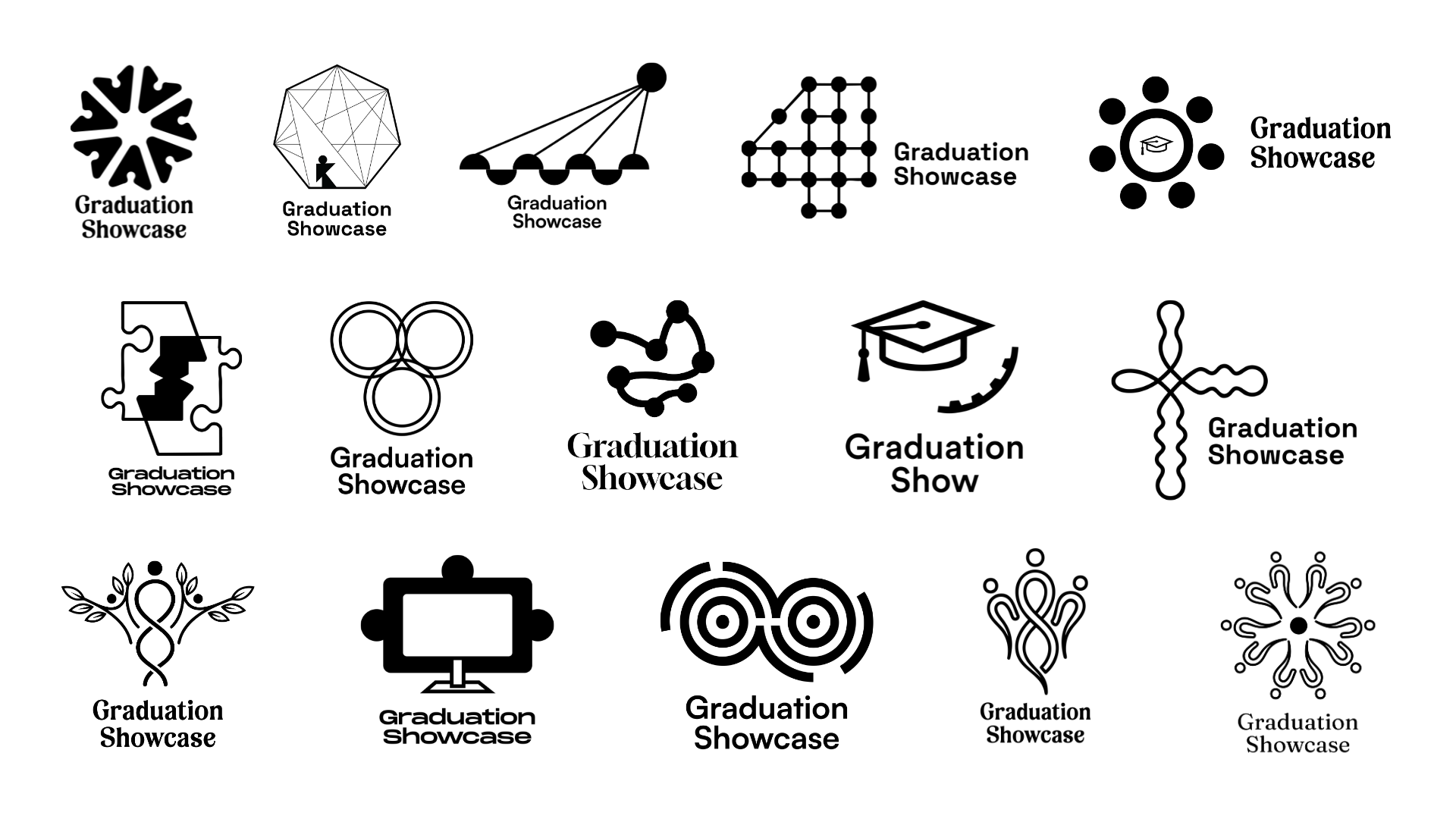
Armed with the conceptual directions from both methods, we generated over 40 logo sketches — exploring abstract organic forms, geometric systems, typographic marks, and symbolic icons before narrowing to five strong directions.
The first round of sketching directly responded to the raw word cloud associations. Concepts explored included balance marks (scales), concentric systems, eye forms, overlapping letter-forms, dot-network patterns, and fluid organic shapes. All sketches were kept in black and white to focus on form without the distraction of colour.
The second round used the structured Fitzkee combinations as prompts. This produced more unexpected directions — snowflake branching structures, interlocking puzzle forms, network nodes with edges, spiral growth forms, and the concentric double-target motif. Several of these informed the final direction.
Two strategic directions were evaluated for the typographic voice — a Serif/Sans pairing for a more refined editorial feel, and a Sans/Sans pairing for a clean, contemporary system. Both were tested at logo scale and body copy size.
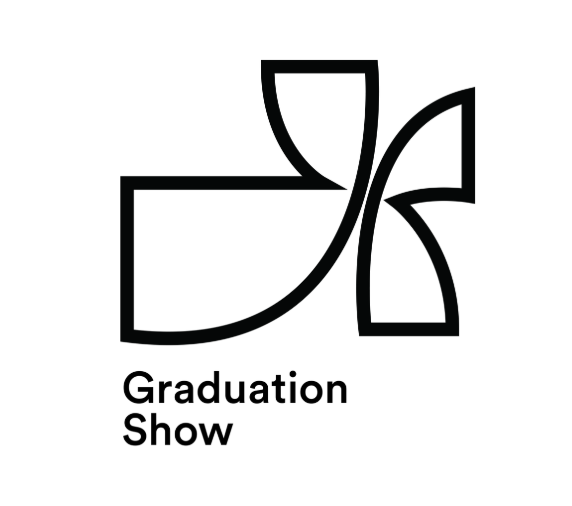
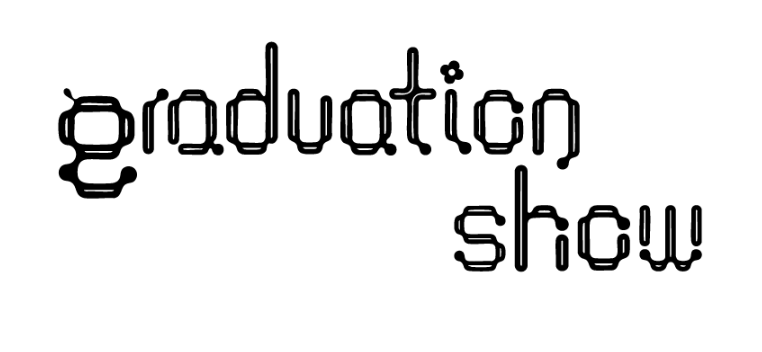
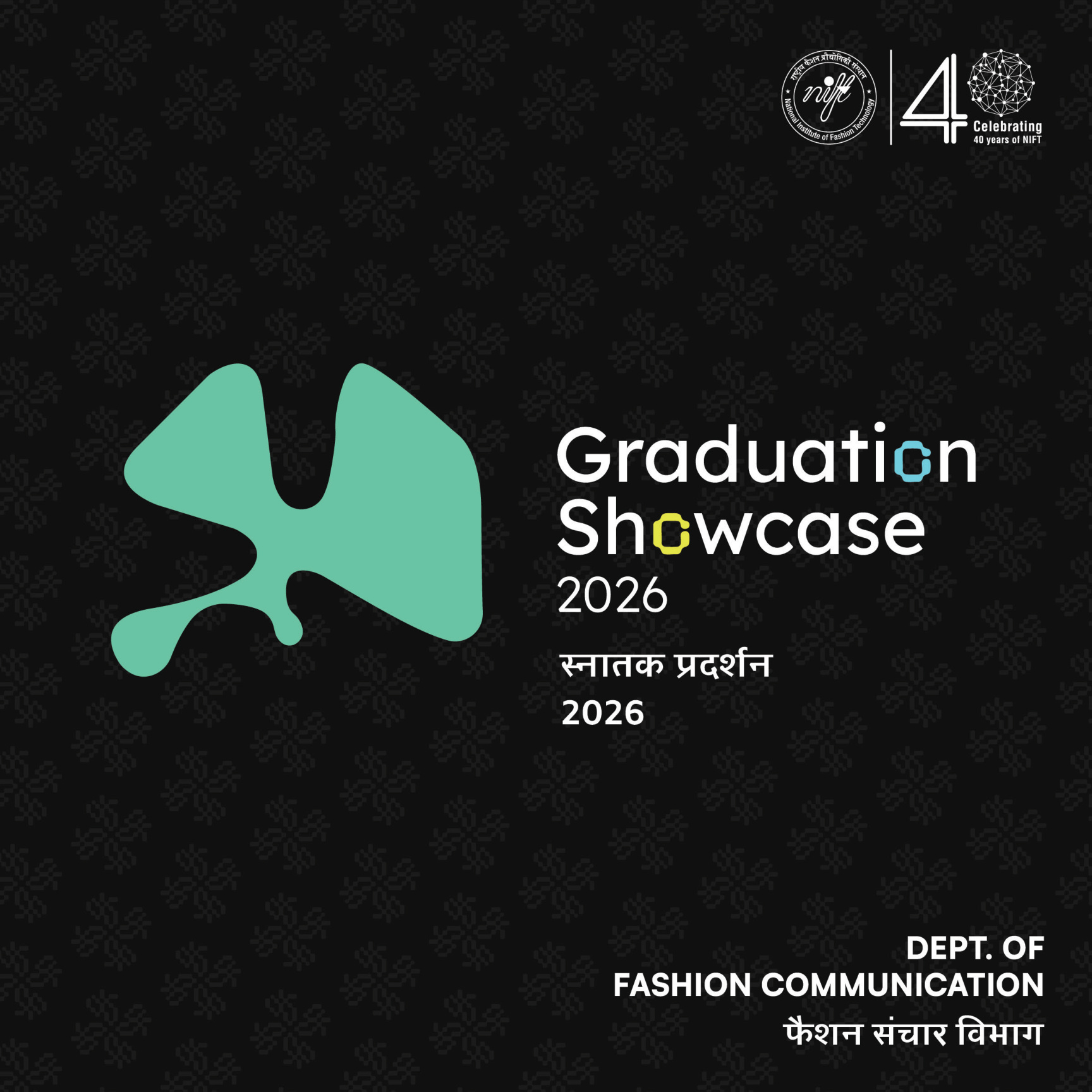
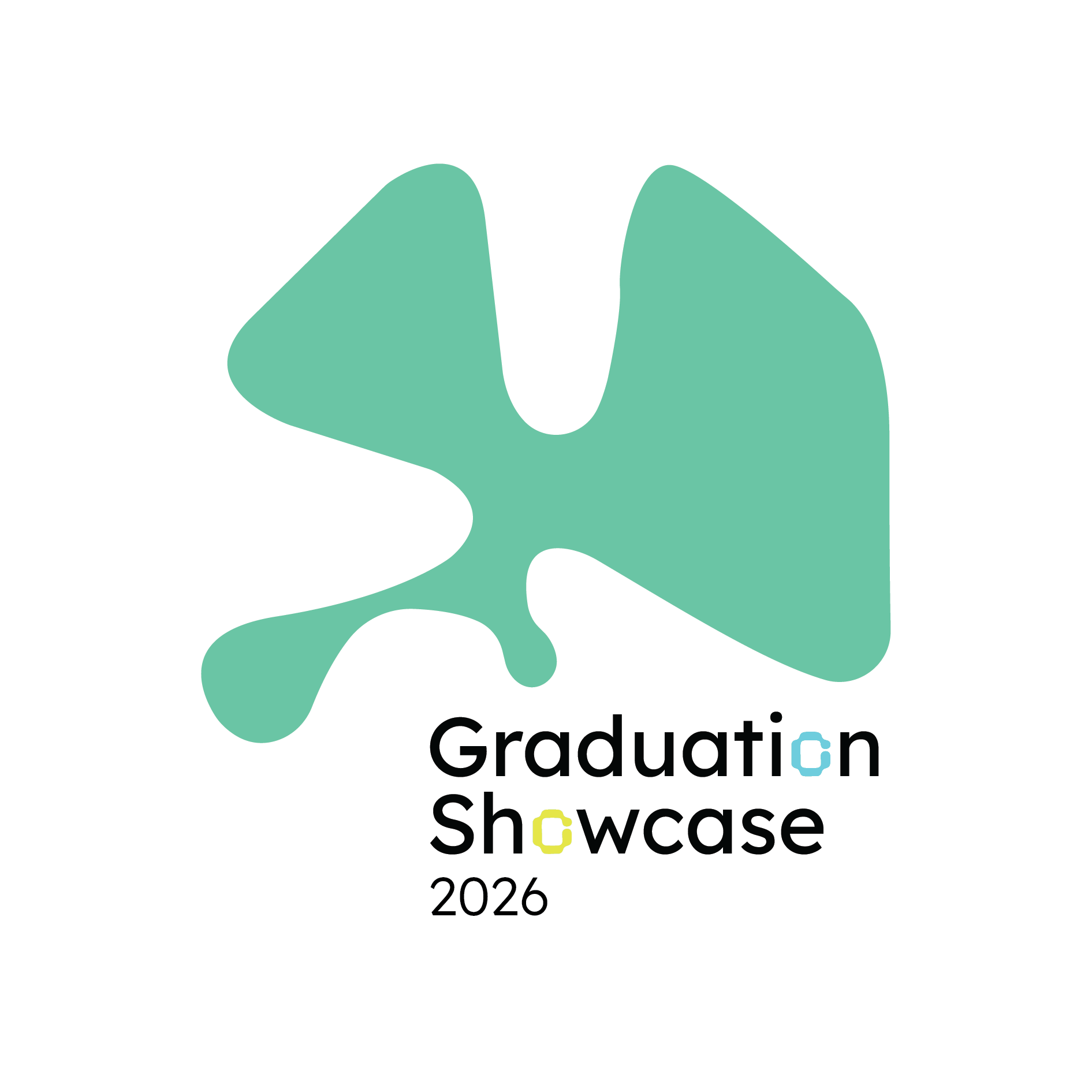
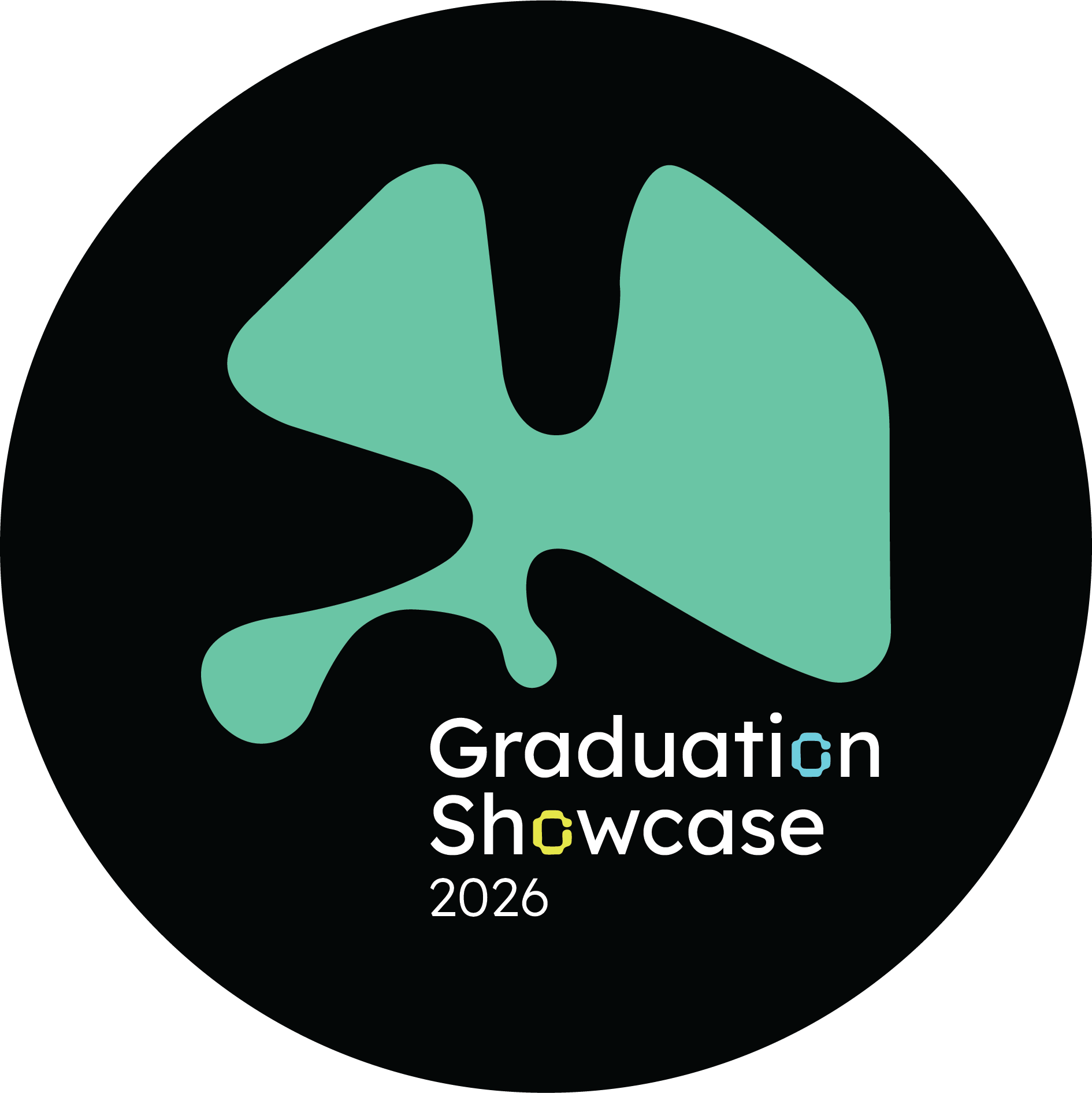
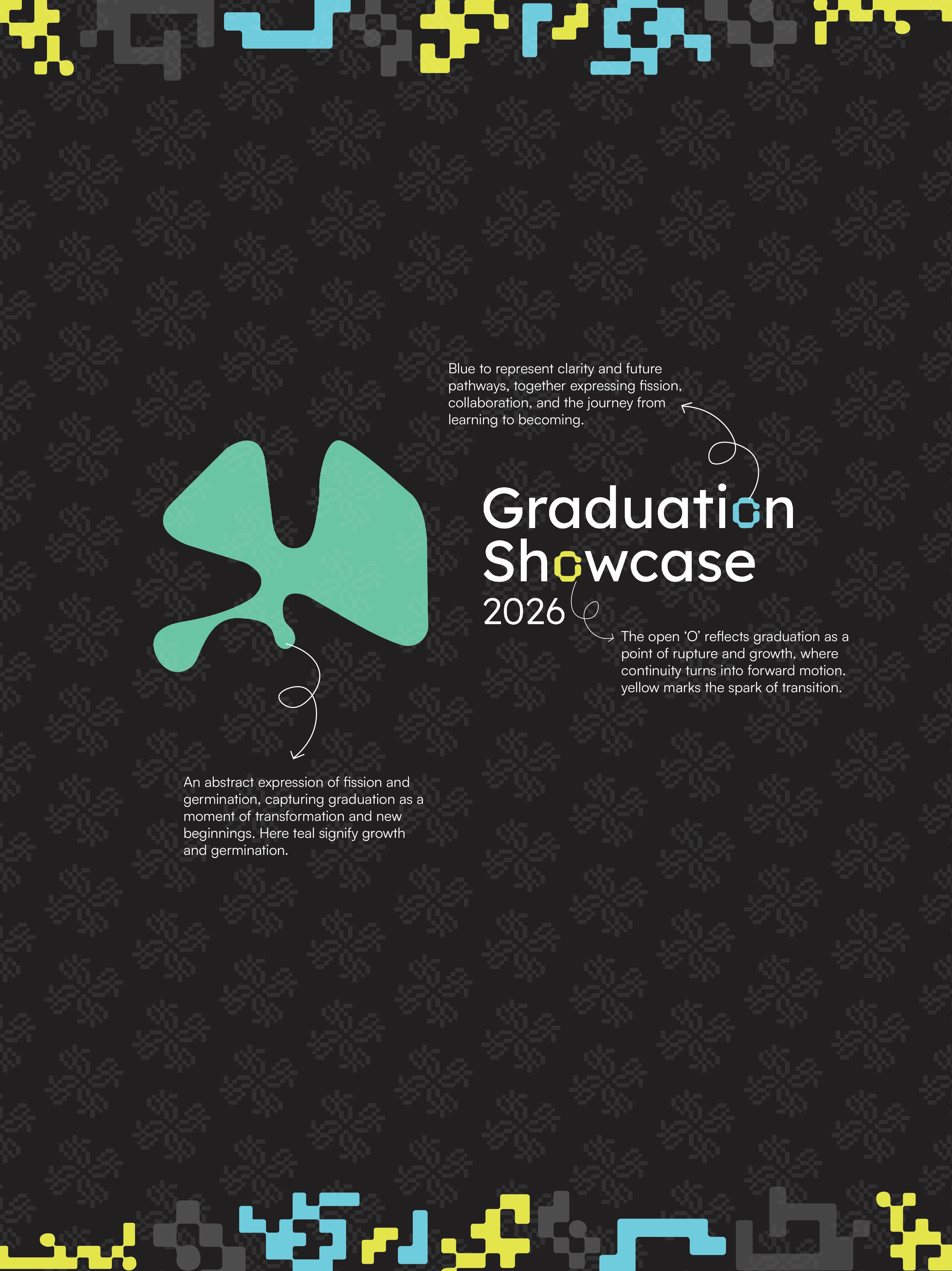
The final logo is a synthesis of two selected directions, combining the organic fluid form with elements of the custom typographic exploration. While the abstract shape carries forward the idea of growth, transformation, and convergence, the typography subtly integrates influence from the developed custom typeface, with the letter 'O' retained as a distinctive element. This integration creates a cohesive identity that bridges form and type, reflecting both experimentation and refinement within the design process.
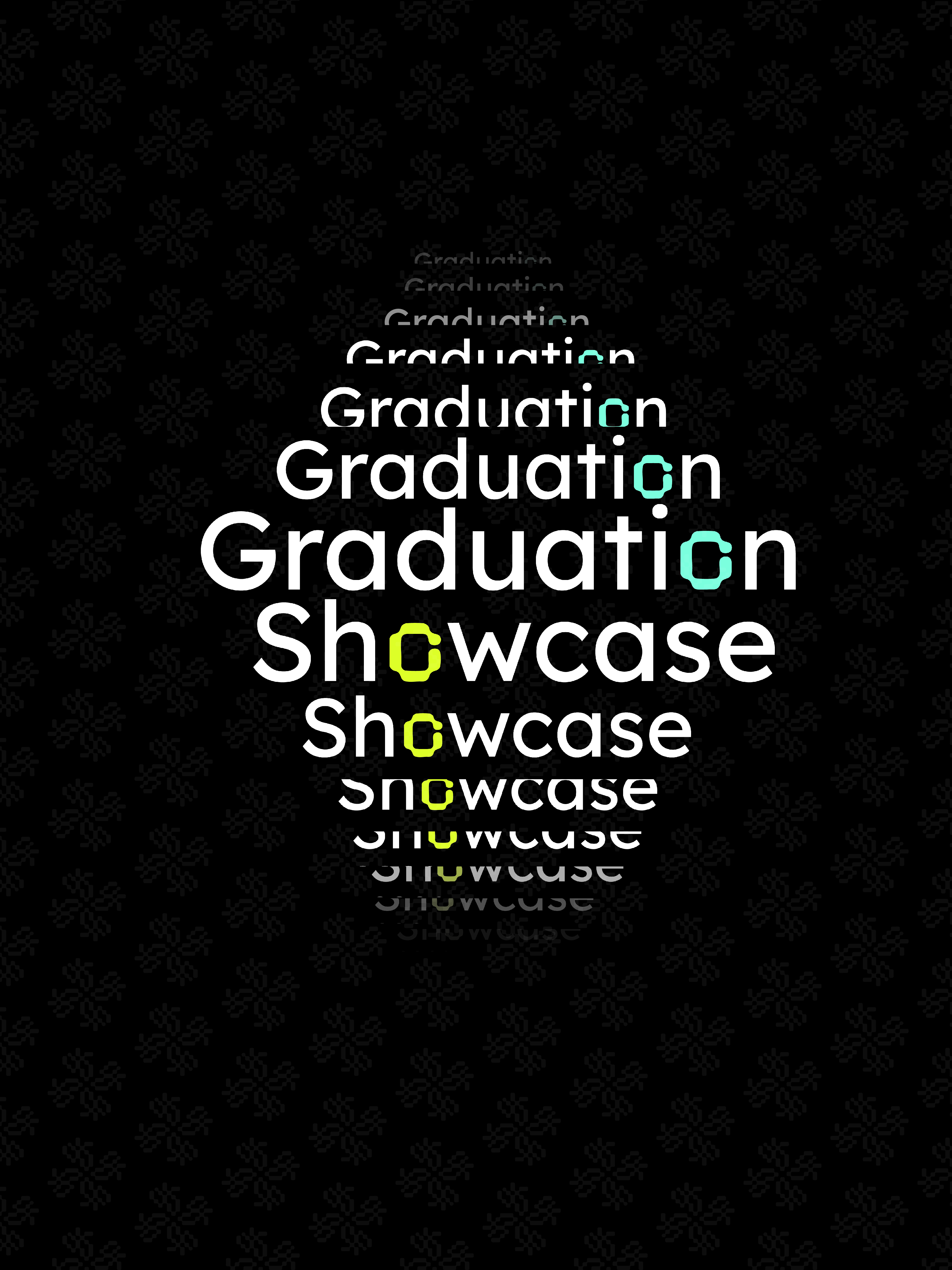
The 'o' letterforms in the wordmark carry the colour story — cyan for guidance, yellow for growth — acting as subtle anchors that connect the typography back to the icon's meaning.
Fission & Germination
The organic shape appears to simultaneously split and grow — a cell dividing, a seed sprouting. Fluid structure reflects experimentation and adaptability across four years of making.
Gestalt Convergence
Both the positive form and the negative space within it imply convergence — multiple parts meeting at a centre. This mirrors how diverse departments come together into one showcase.
Transition & Threshold
The mark sits between states — not fully split, not fully whole. This liminal quality perfectly captures the moment of graduation: no longer student, not yet professional.
#6ac5a5 · Teal
#e7e84a · Lime
#73d5e6 · Cyan
White · On Dark
Black · On Light
The palette is built on a conceptual equation: Growth (yellow) + Guidance (cyan) = Graduation (teal). Each colour carries meaning that extends beyond aesthetics into the brand narrative.
Yellow represents curiosity, energy, learning, and personal evolution. The colour of the sun, of new shoots, of intellectual spark — it is the student's journey.
Cyan symbolises clarity, direction, mentorship, and structure — the cool, clear light of the institution and its faculty who shape the student's path toward mastery.
Formed through the union of yellow and cyan, teal represents balance, maturity, and transition. The threshold colour — neither beginning nor end, but the transformative moment between.
The type system uses Lexend — a font designed specifically for reading fluency — for all brand communications, with Satoshi as the warm, humanist companion for extended body copy.
LEXEND Regular — Leading: 36pts
LEXEND Light — Logo Year Mark
The graduation project booklet serves as the primary printed artefact of the event — a lasting catalogue of student work distributed to all attendees and industry guests.
A comprehensive identity guidelines document that ensures consistent brand application across all departments and touchpoints.
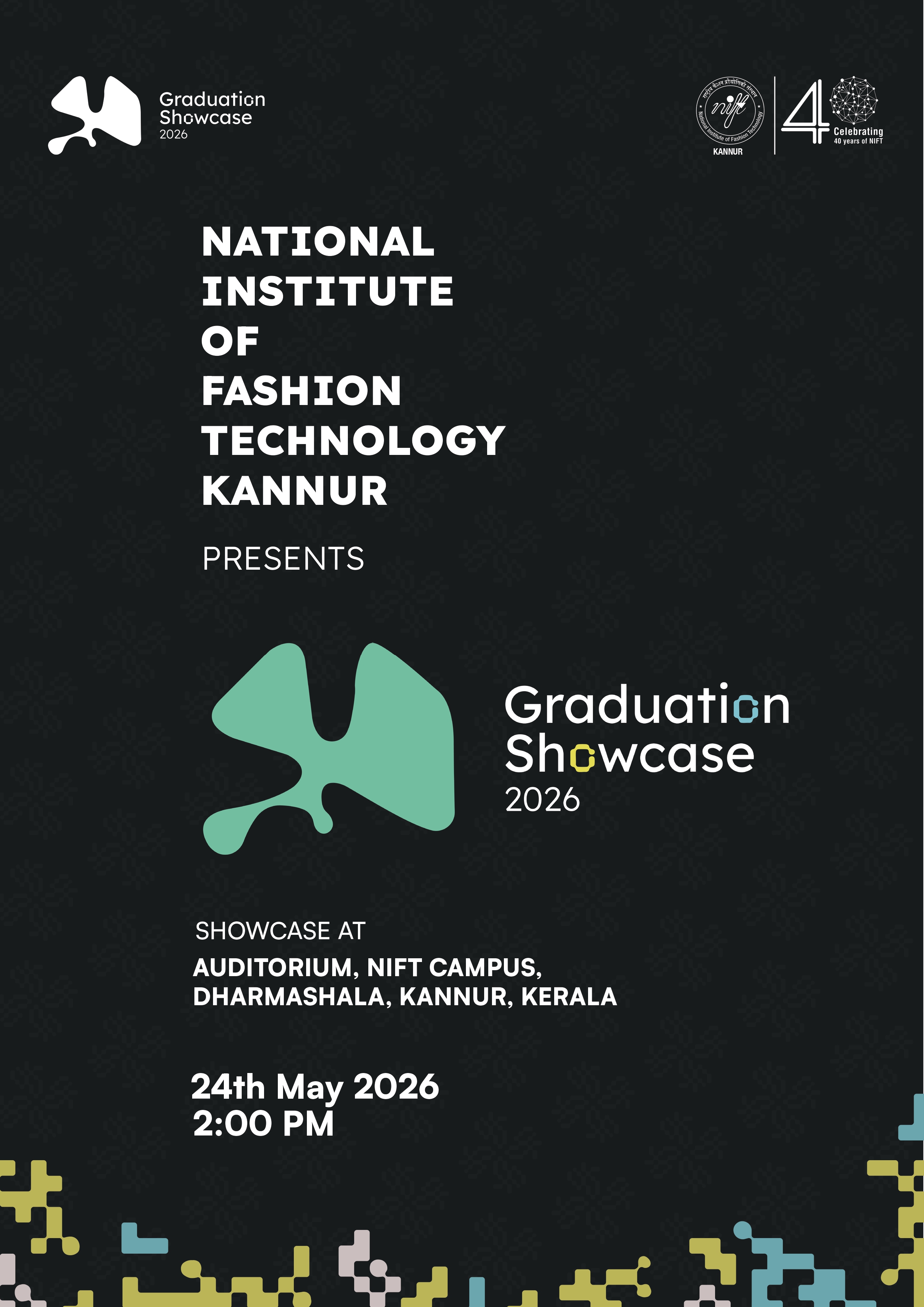
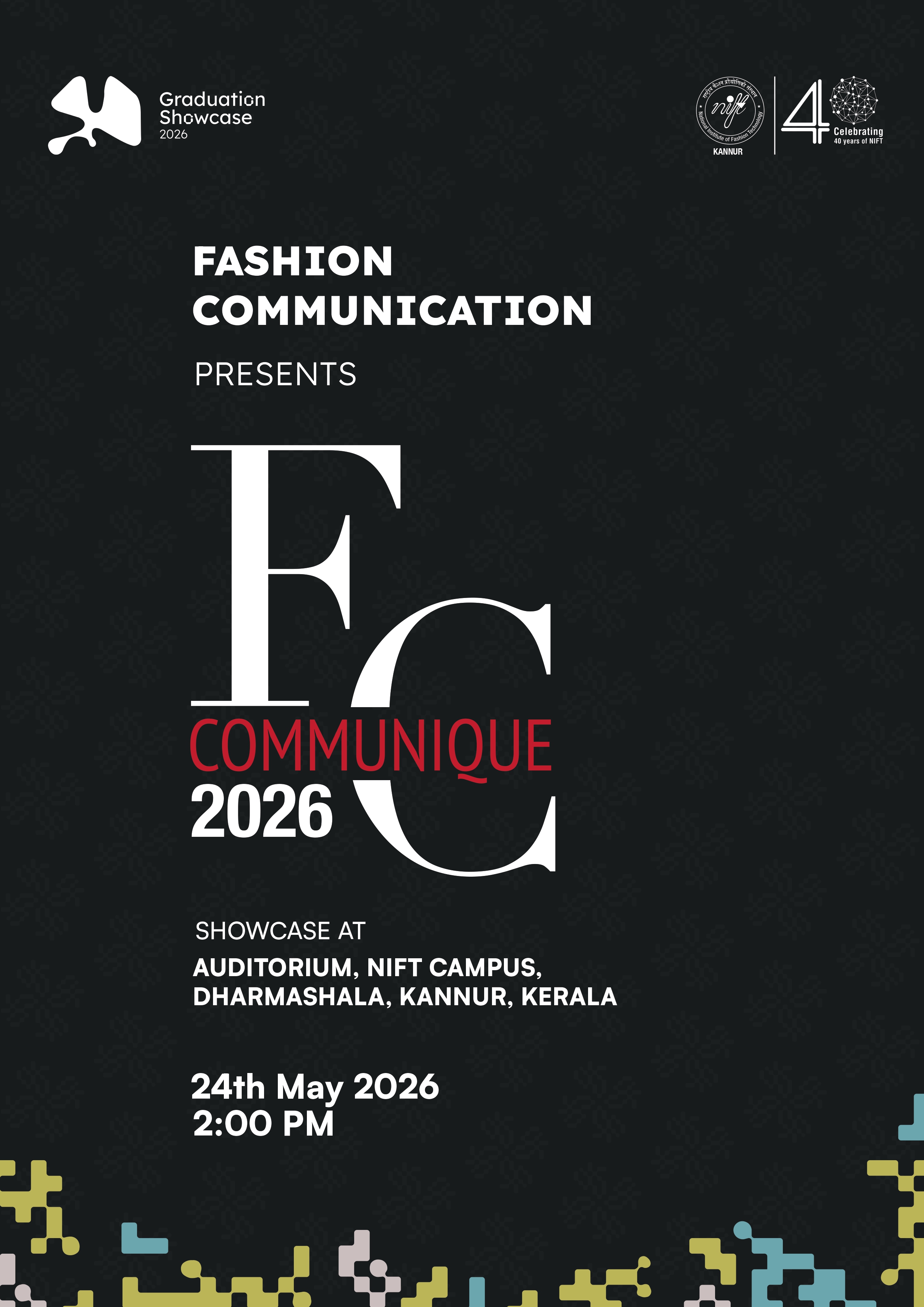
A4 department-specific posters for each of the seven graduation show events, maintaining brand consistency while accommodating department-specific event details.
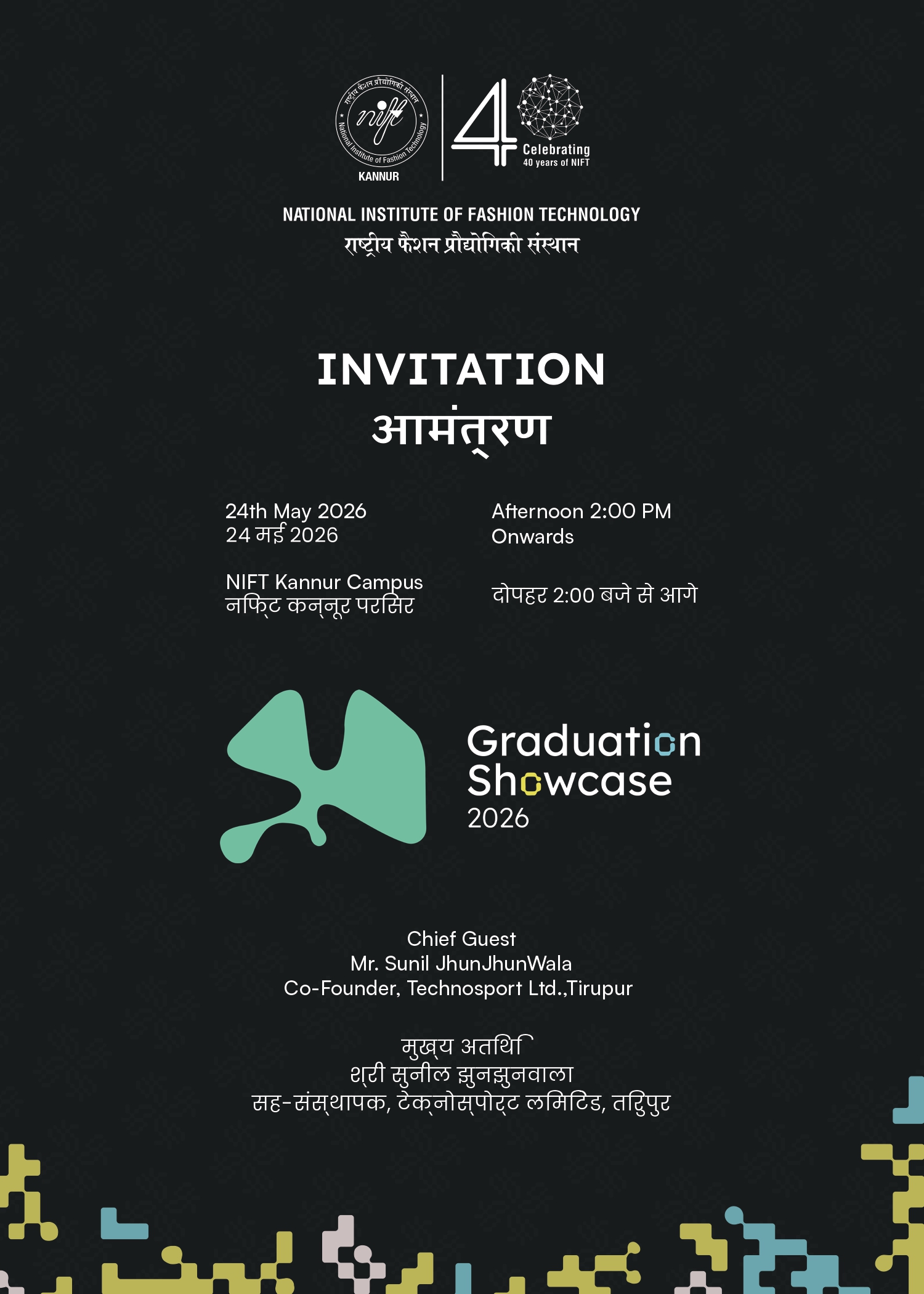
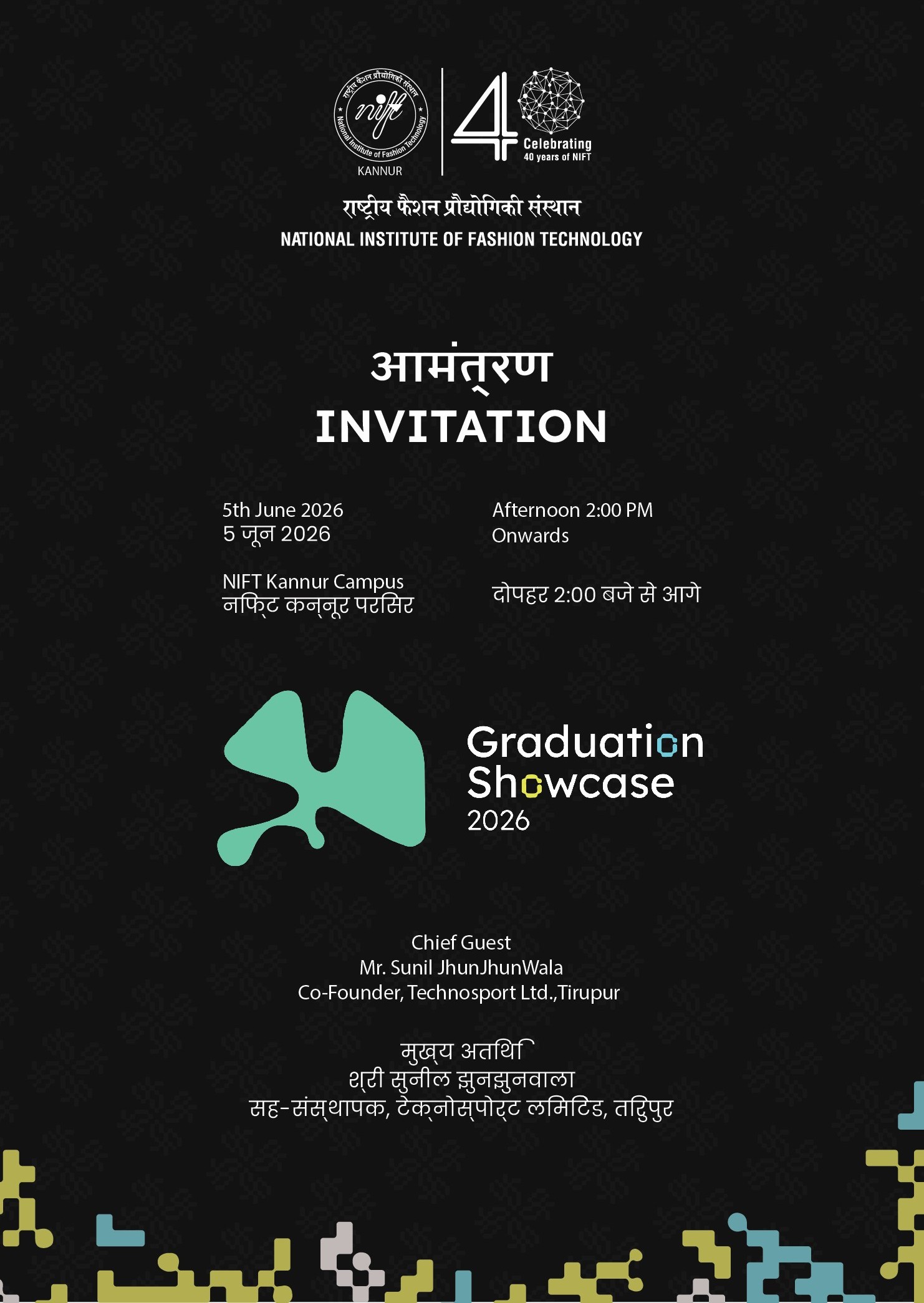
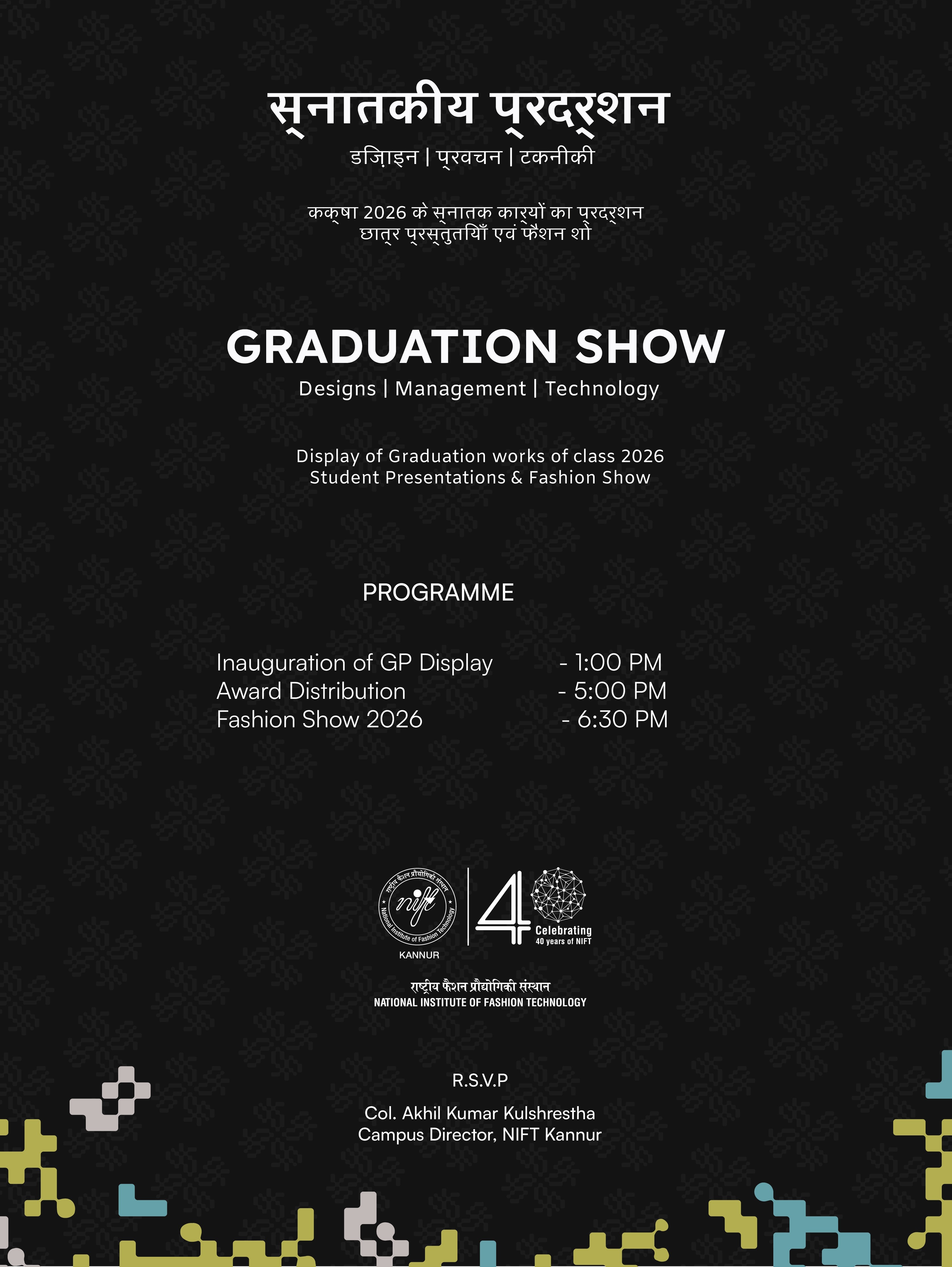
Bilingual formal invitation for the chief guest, faculty, and industry partners. Dark card stock with teal logo and botanical pattern border.
Wide-format event backdrop for the main auditorium stage — featuring the logo, bilingual event title, and department name. The brand pattern corners frame the composition.
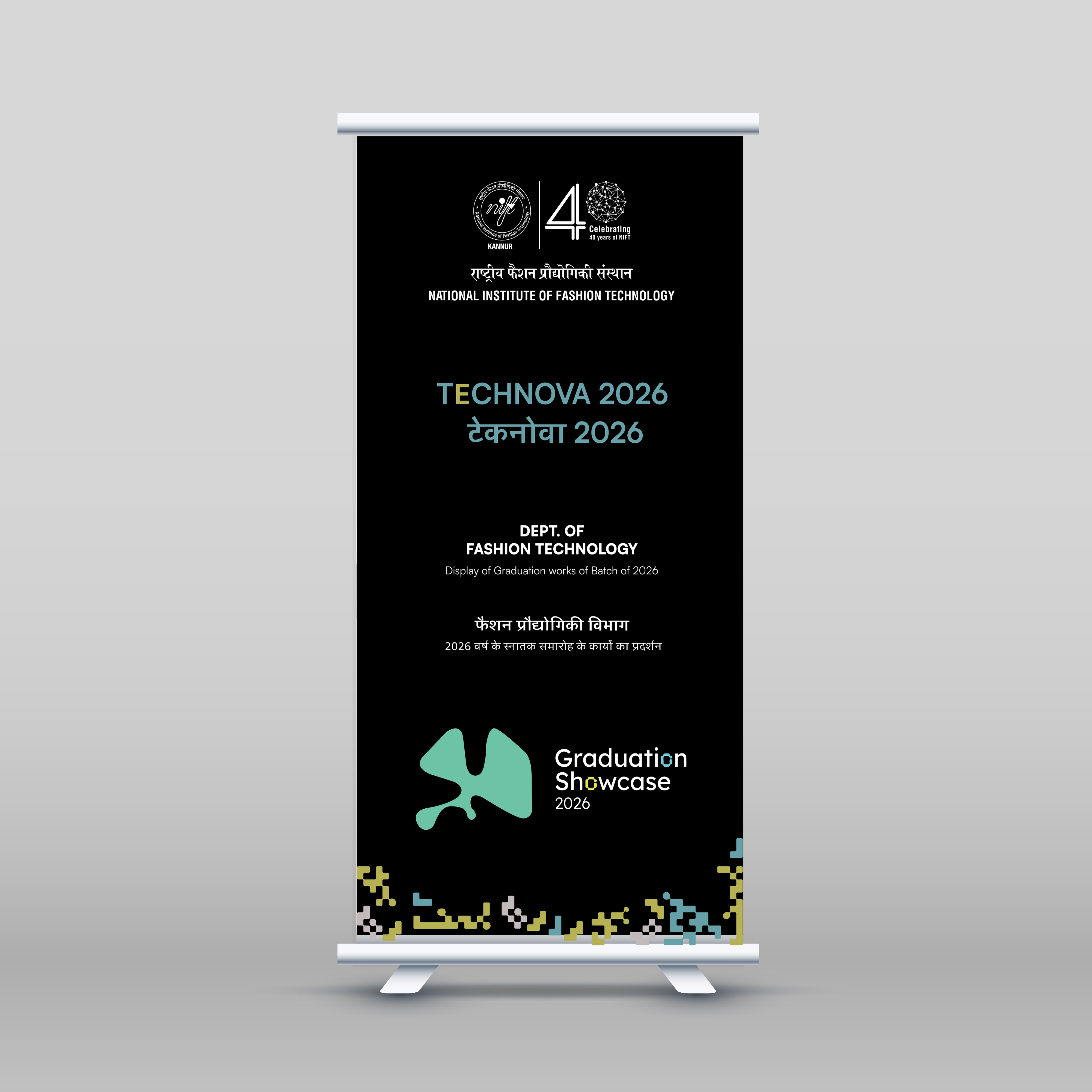
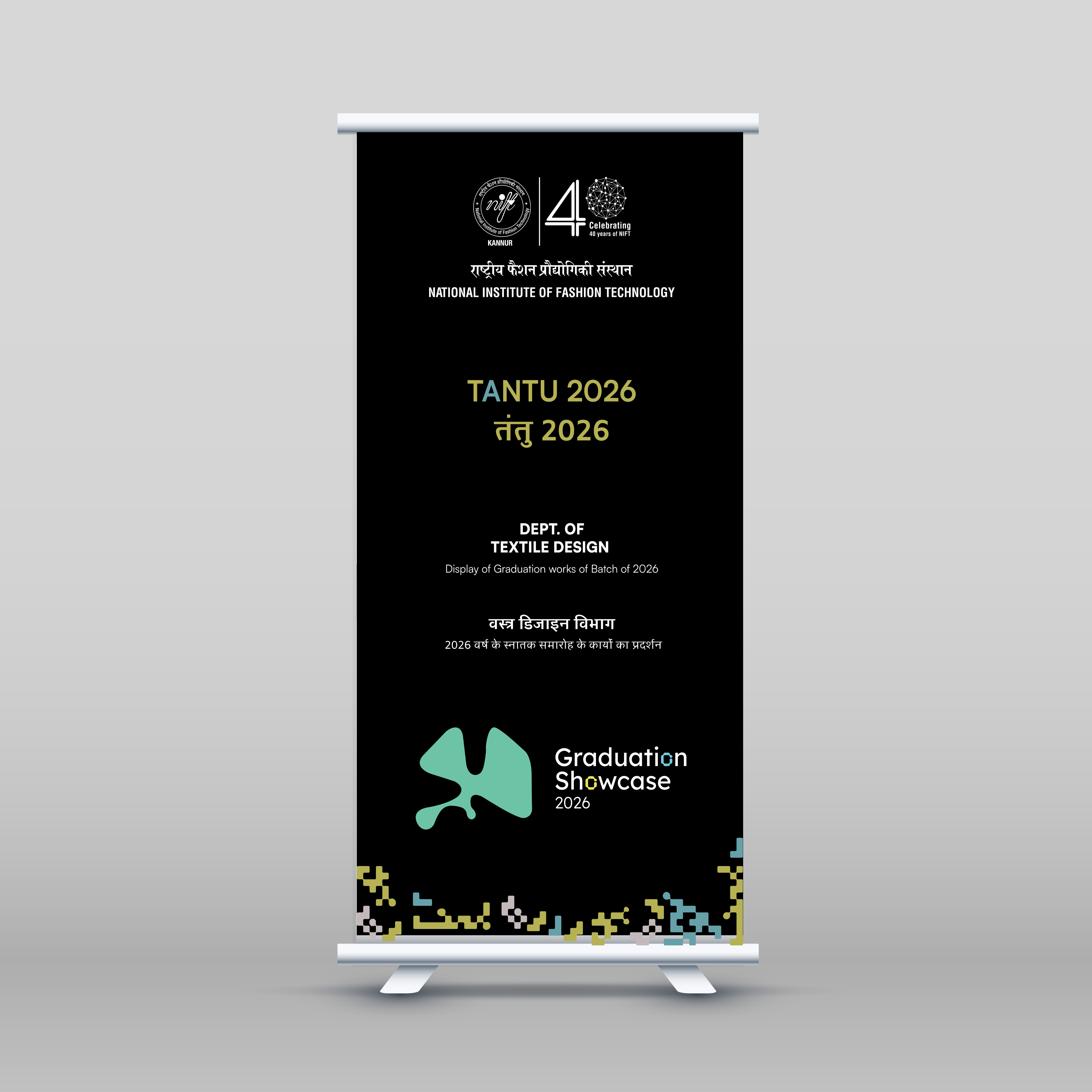
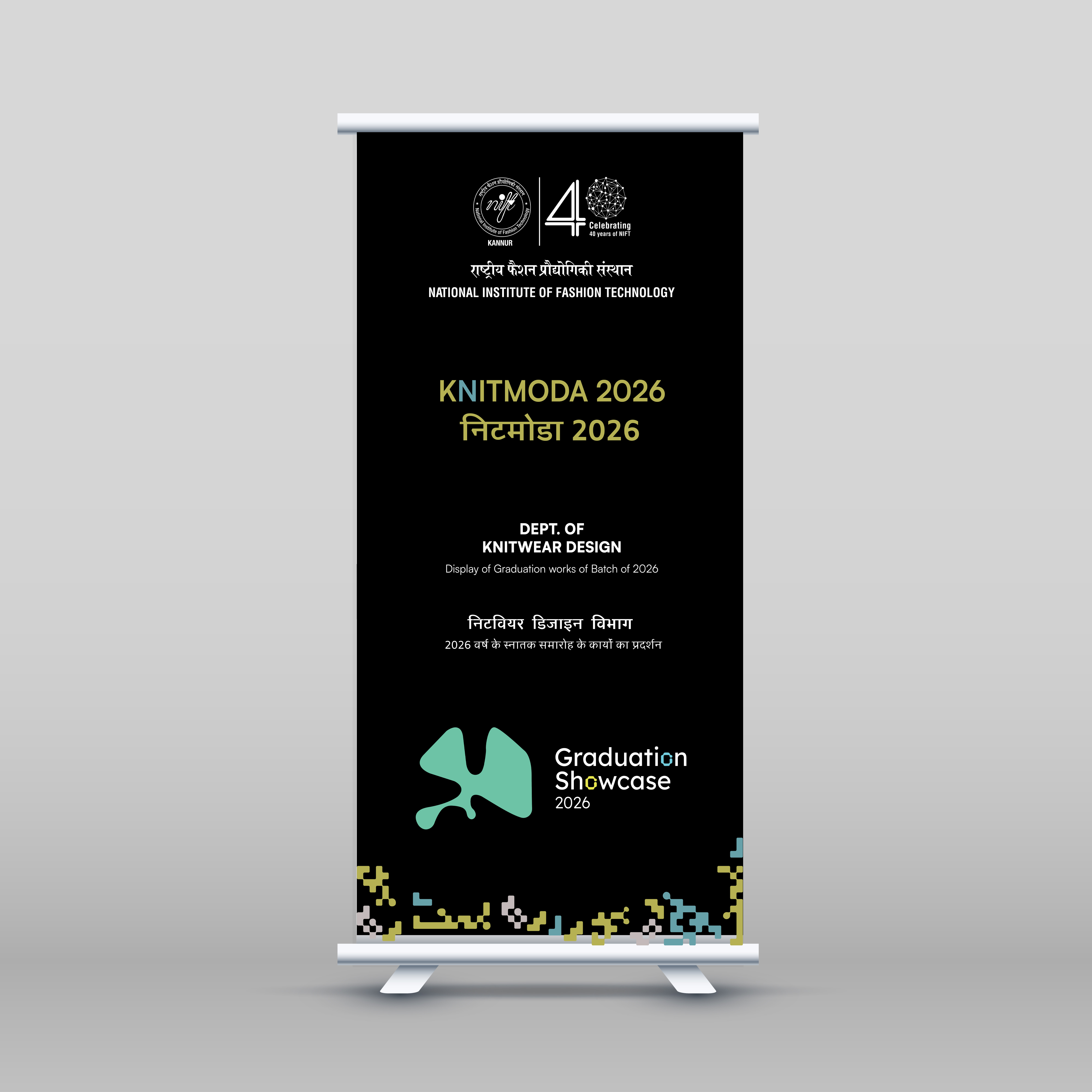
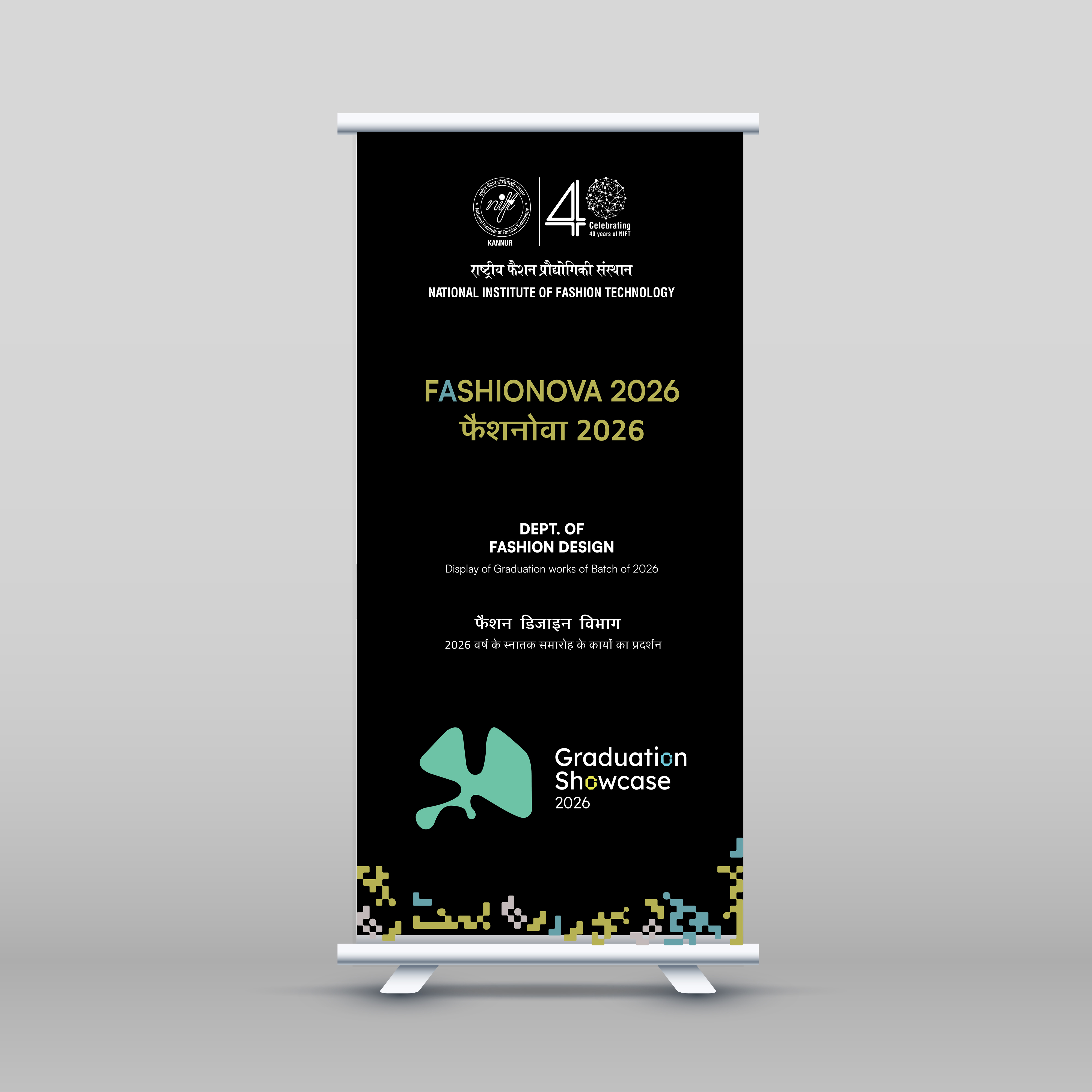
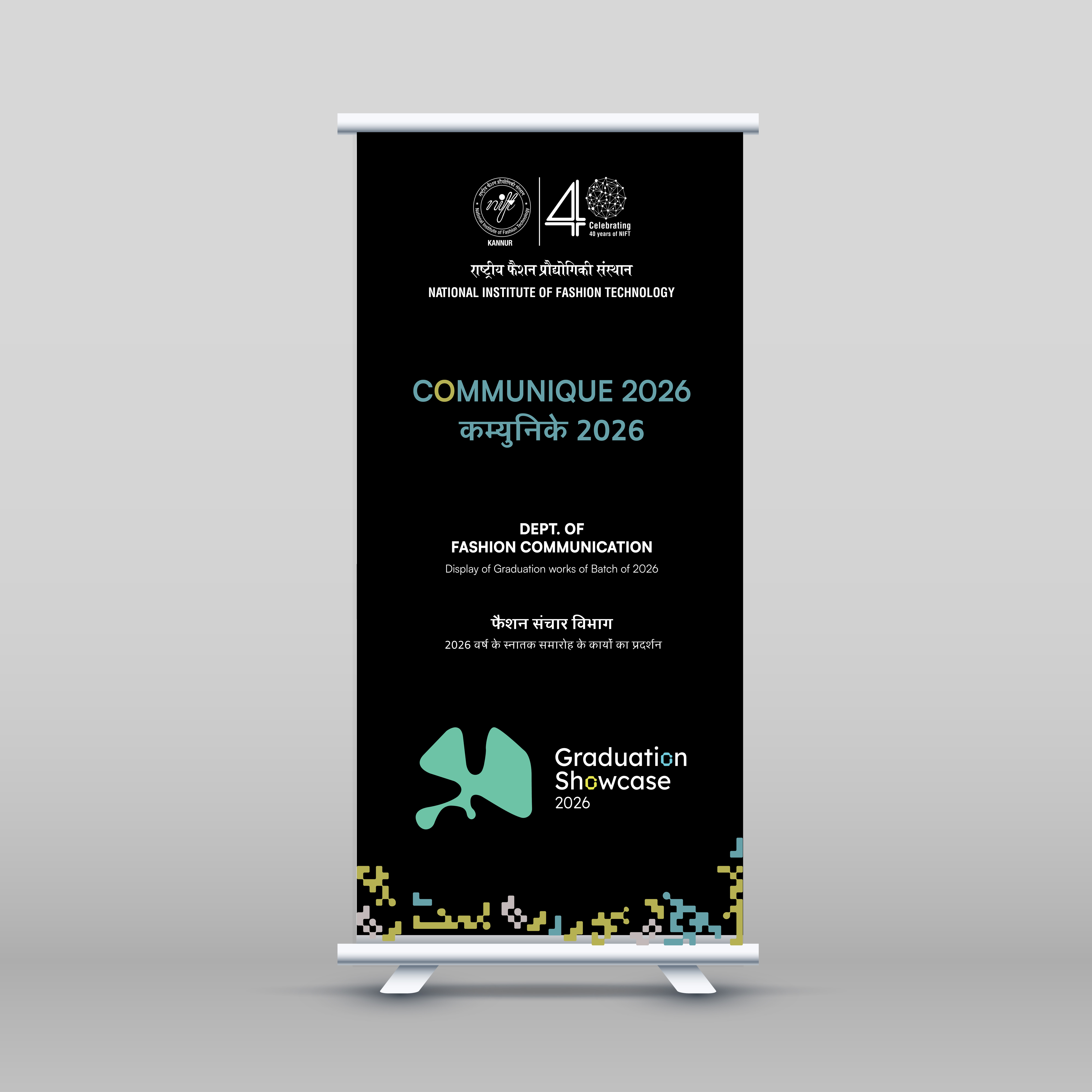
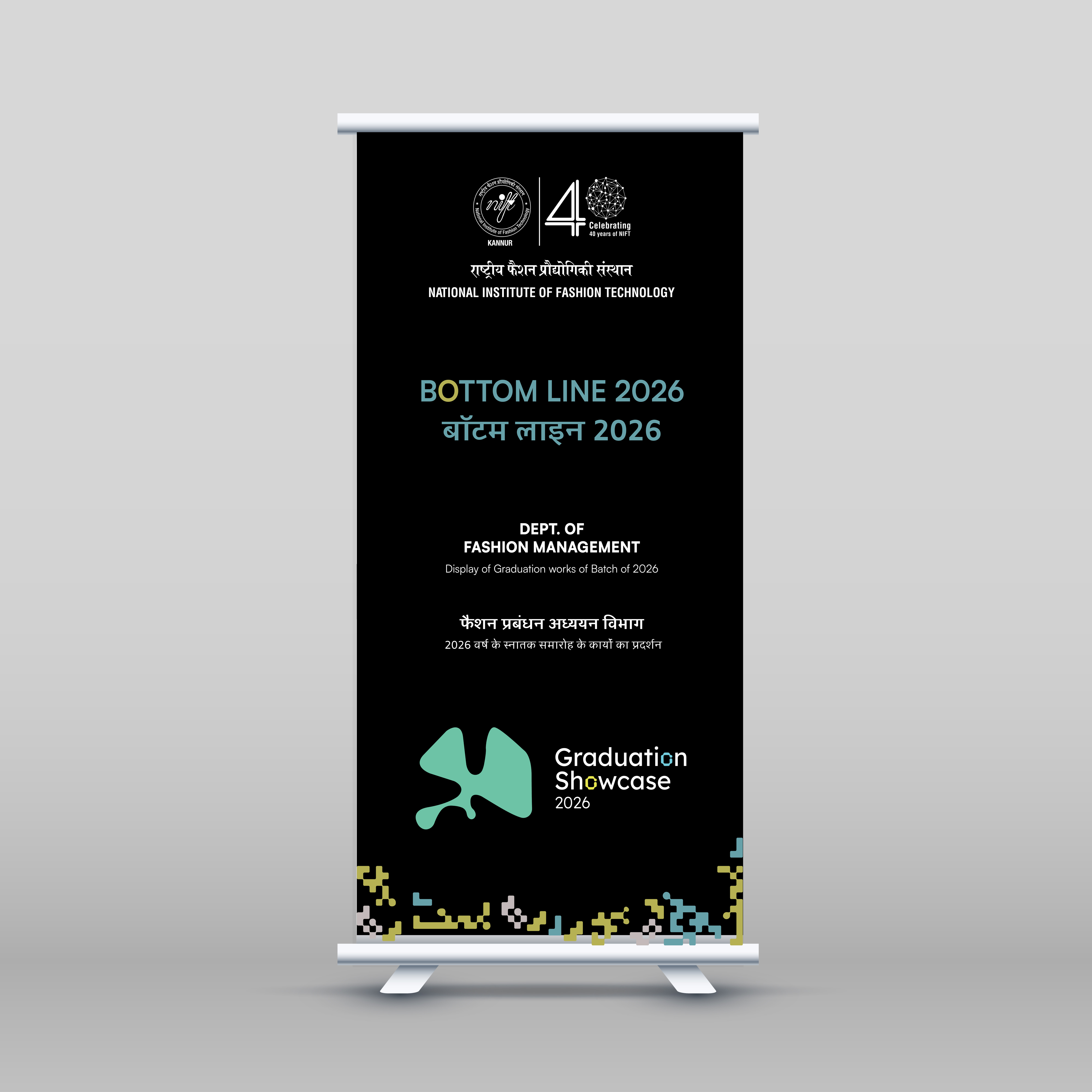
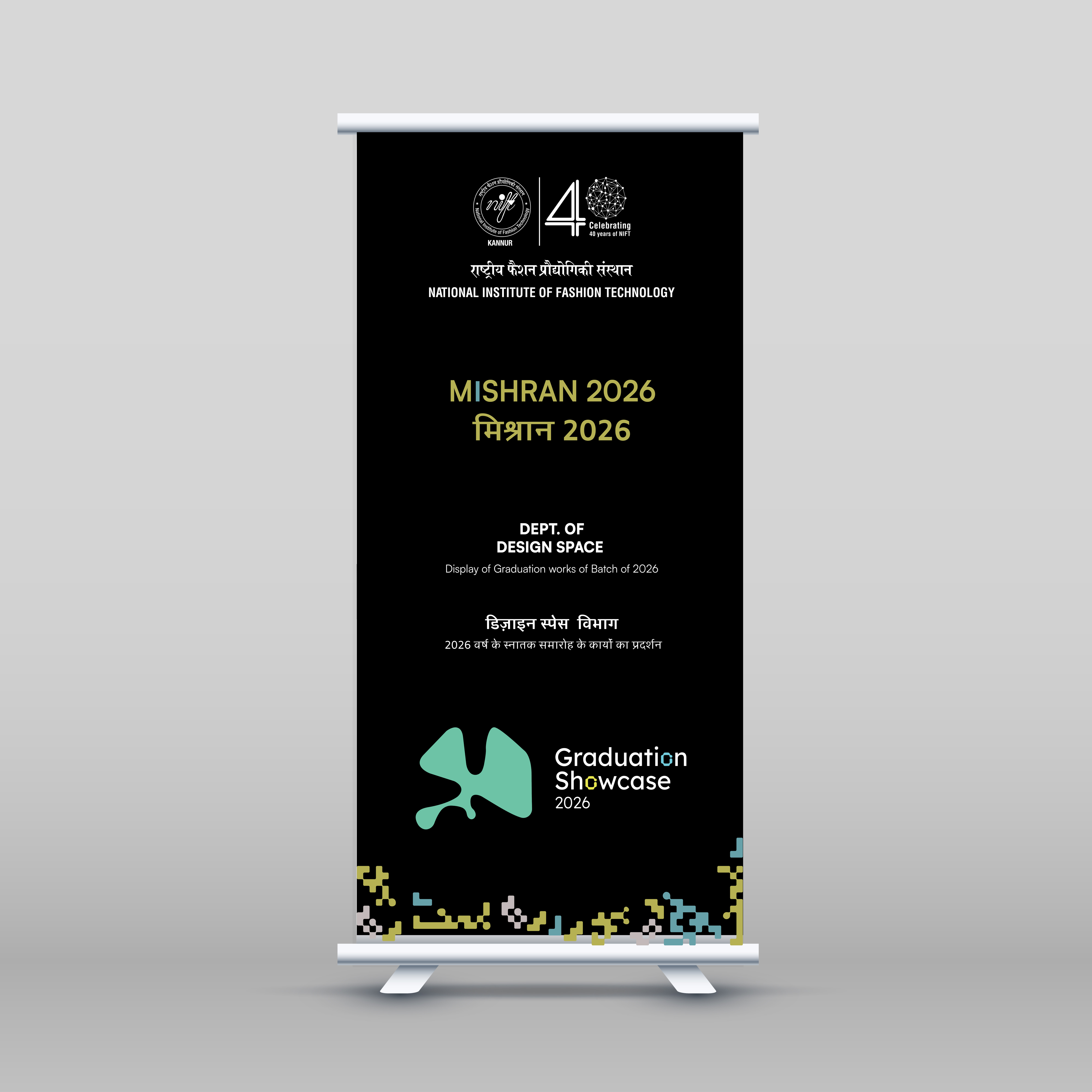
Seven department-specific standees designed for the event entrance and display areas. Each standee carries the shared brand system while featuring the individual department's show title and programme details.
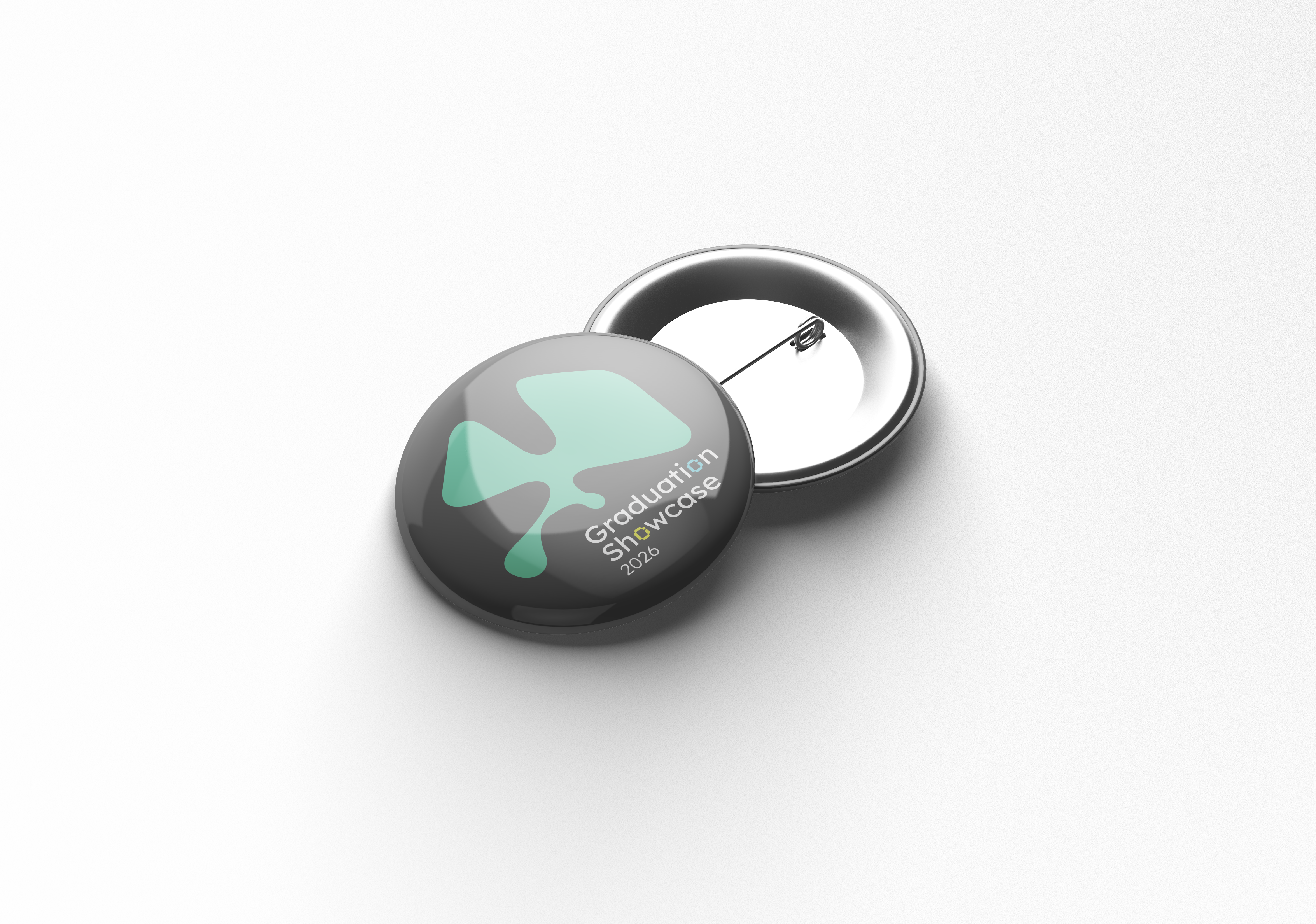
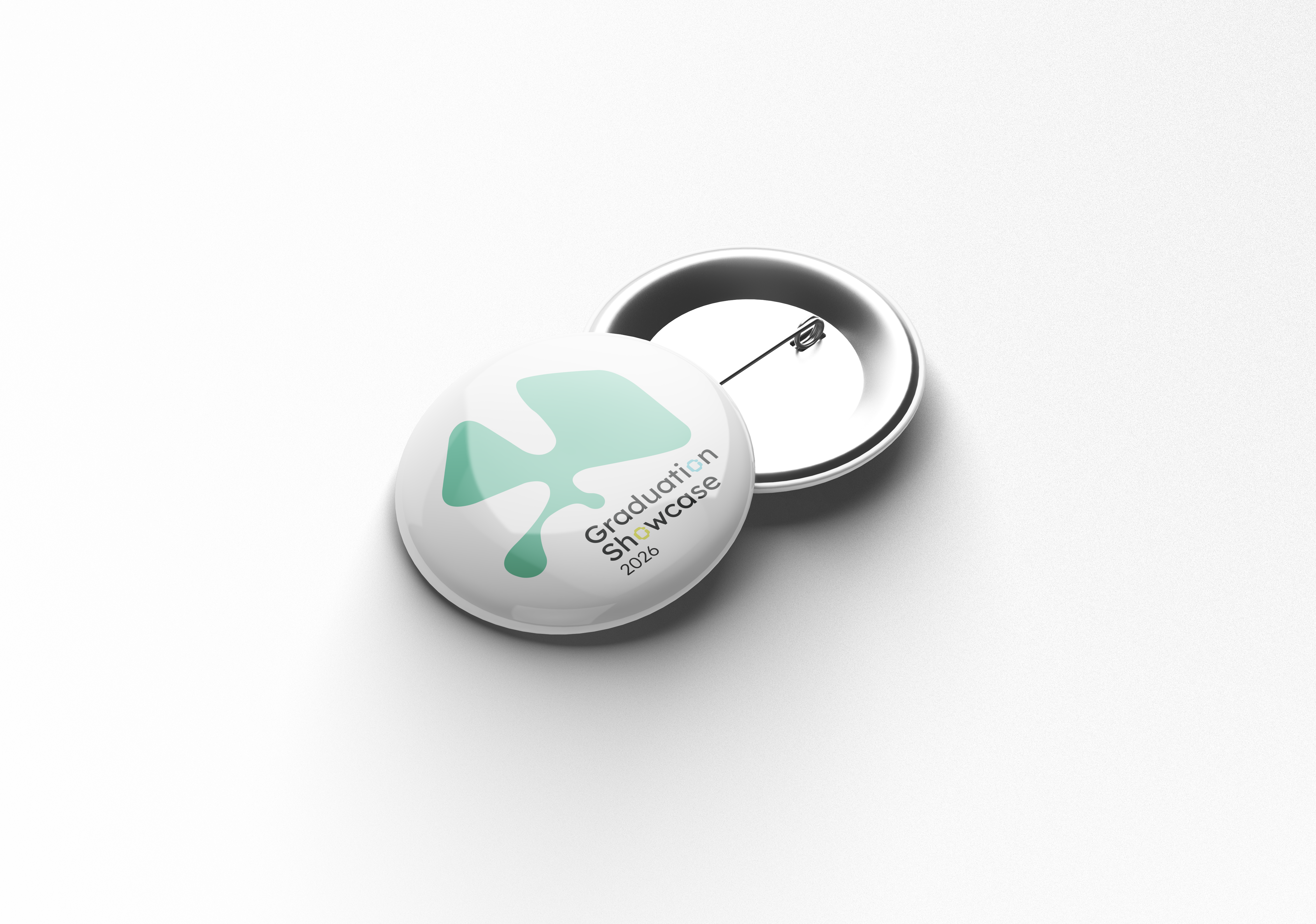
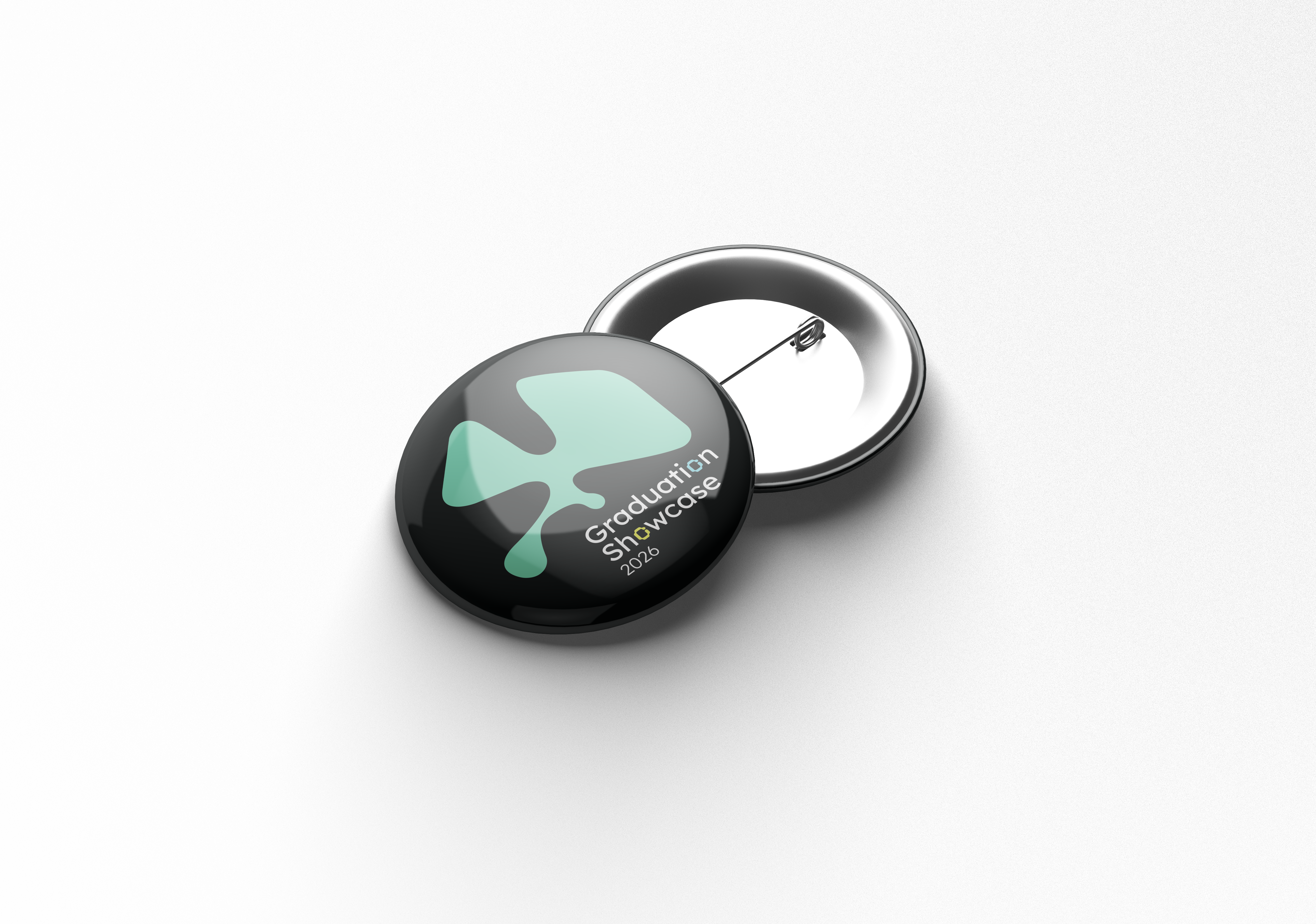
Round pin badges in three colourway variants — Teal, Lime, and White — featuring the iconic 'O' and year mark.
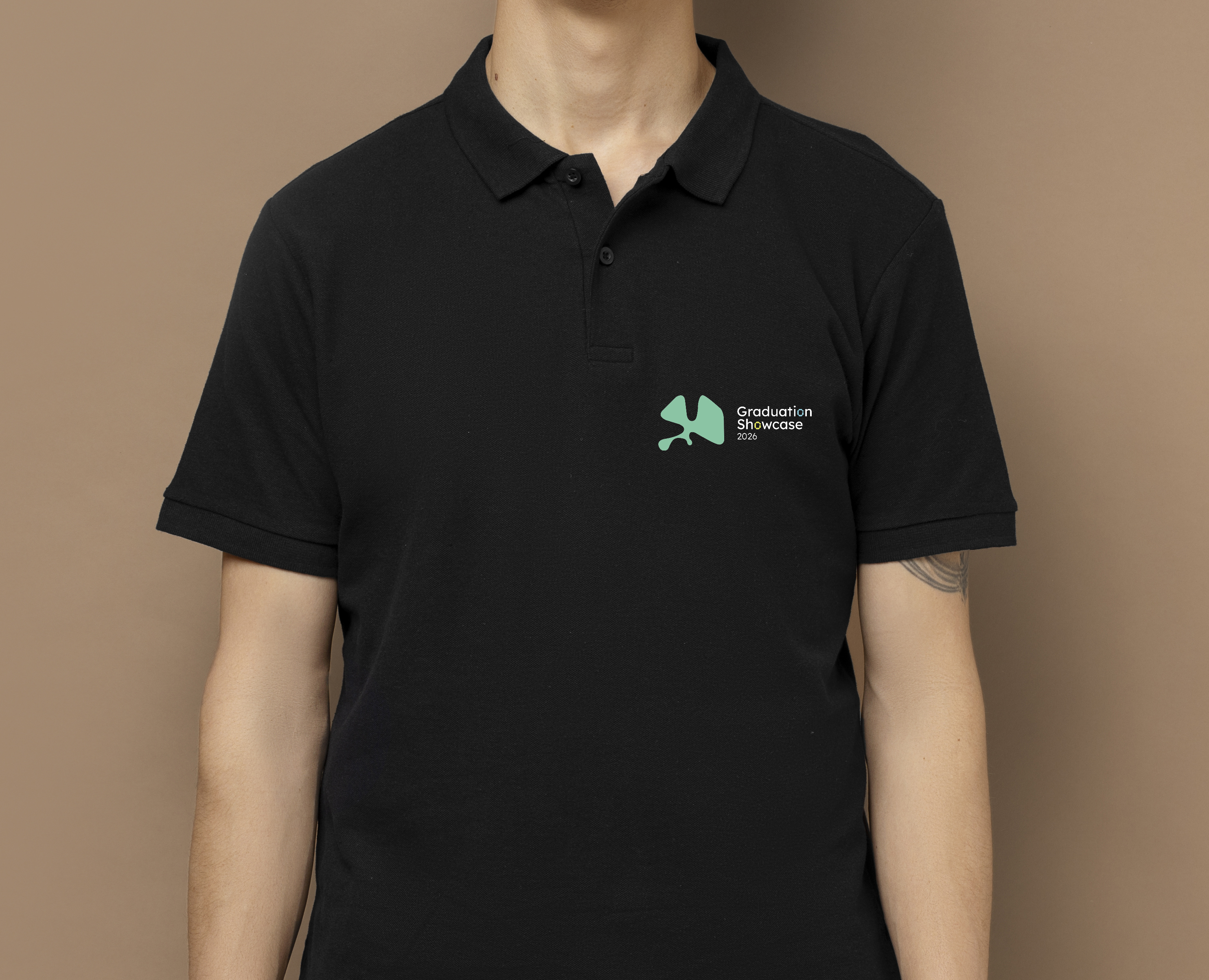
Volunteer and staff uniform — black polo with teal logo mark on the left chest. The restraint of placement reflects the brand's confident minimalism.
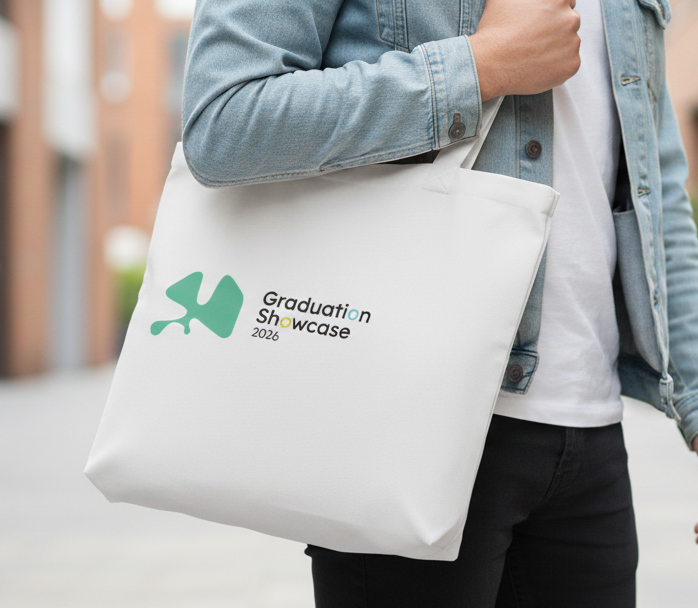
Natural canvas tote with horizontal logo lockup — distributed as a takeaway to guests, carrying the brand into everyday life beyond the event.
The brand extends across Instagram feed posts and story formats — maintaining typographic consistency while leveraging the motion possibilities of digital to build event anticipation.
Four content types: invitation announcement, programme schedule, animated logo reveal, and brand introduction post. All use the dark background palette with teal/lime/cyan accents.
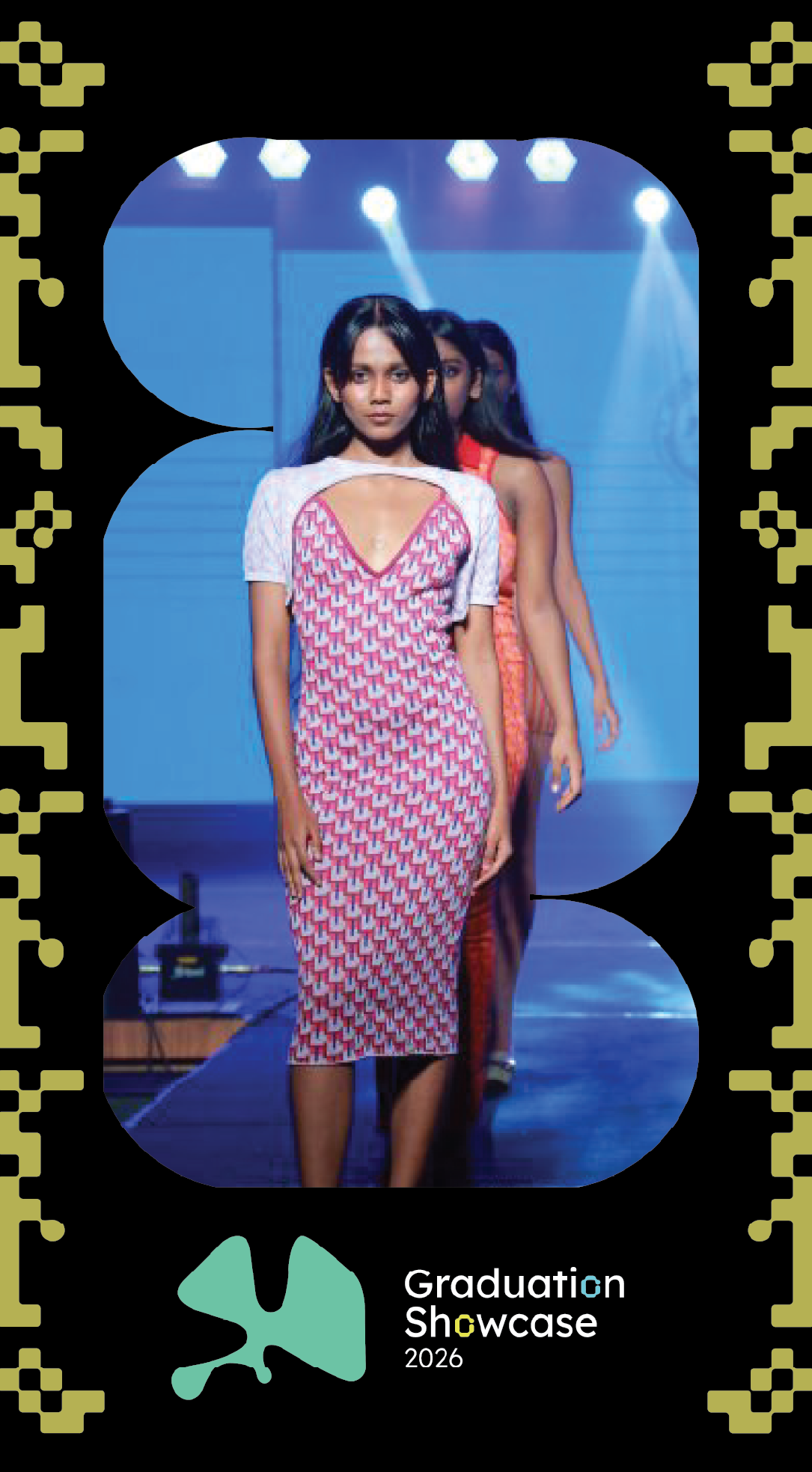
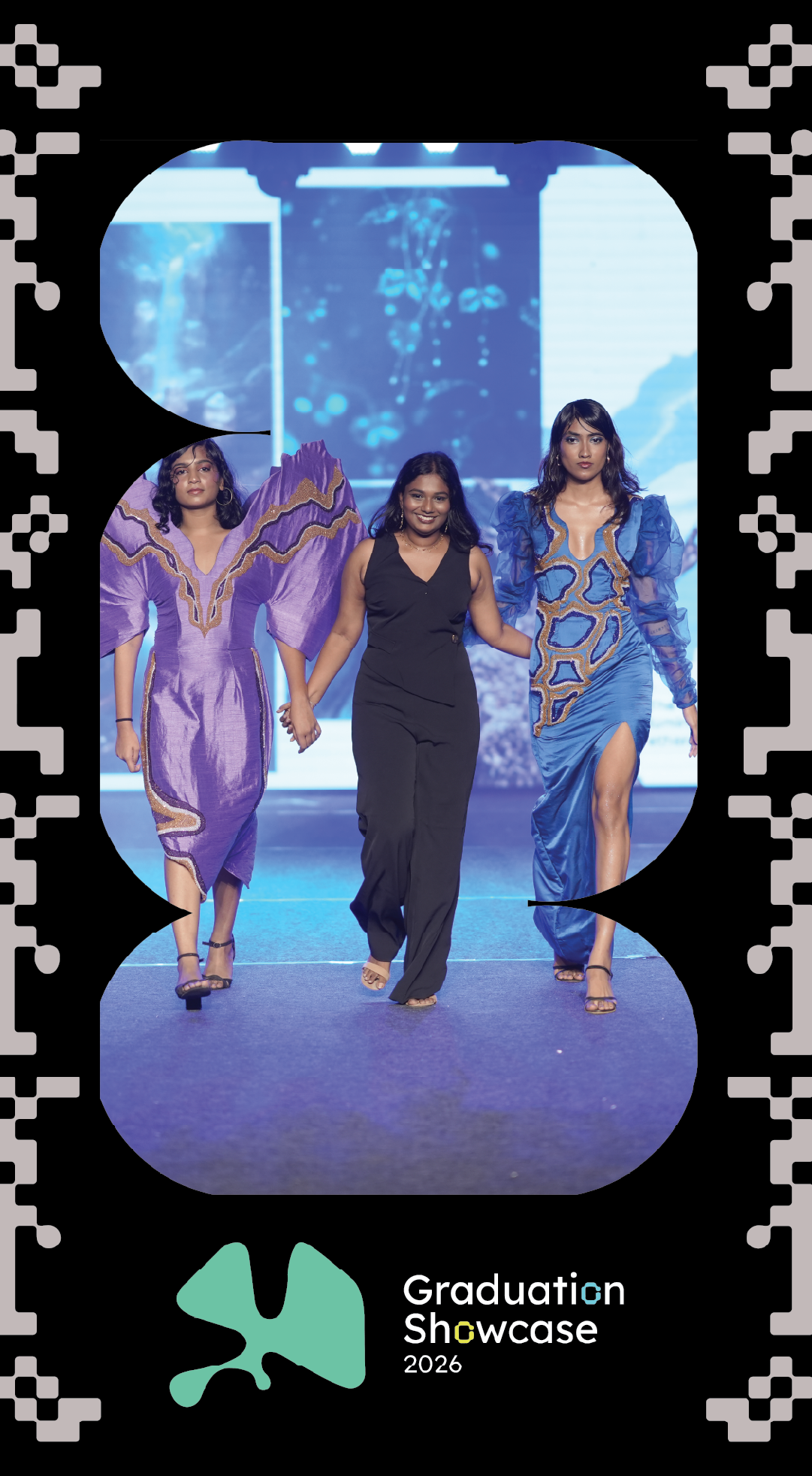
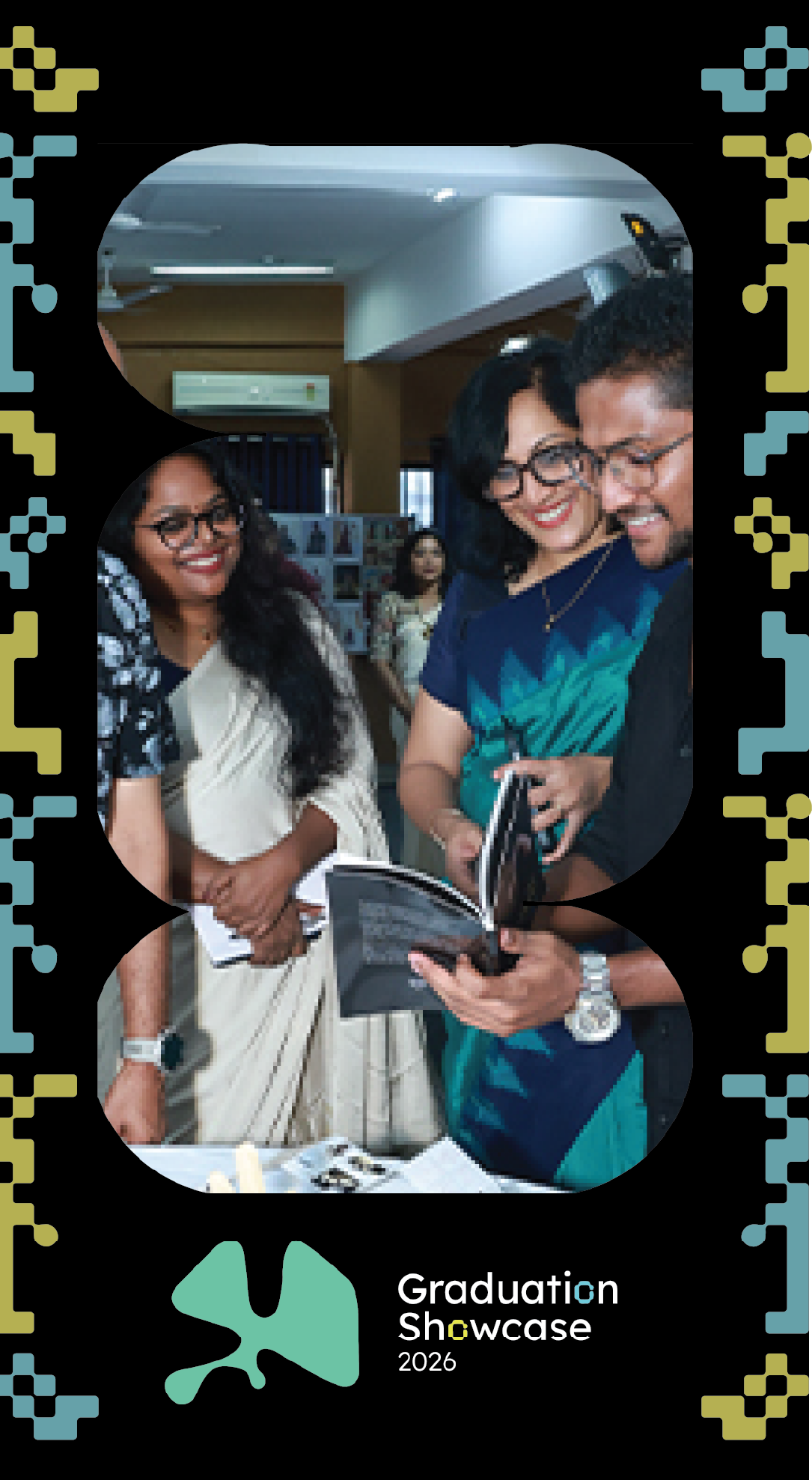
Story frames with the brand's pixel-pattern border in teal, lime, and cyan — designed for event coverage, BTS content, and runway photography.